Niezbędne pliki cookie
Zawsze aktywneWsparcie bezpieczeństwa, niezawodności formularzy i zapamiętywania wybranych ustawień prywatności. Nie jest wykorzystywane do celów reklamowych.

Przychody zależą od połączonej ścieżki prowadzącej od intencji odwiedzającego i dowodów na stronie do działania, odpowiedzialności za reakcję oraz mierzalnych wyników komercyjnych.
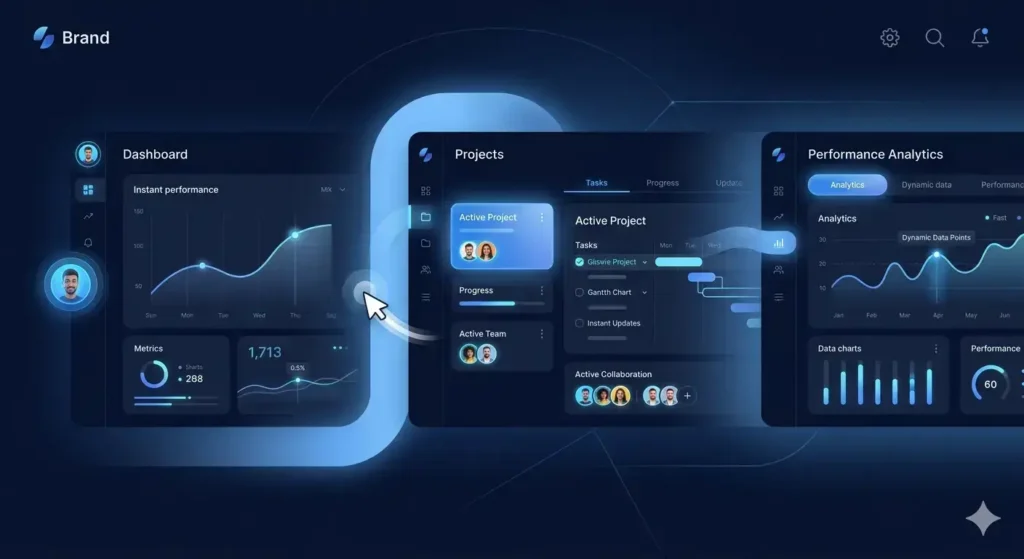
Website traffic not converting rarely means every visitor is unsuitable. More often, the website attracts attention but fails to turn that attention into a confident decision. The source promises one thing, the landing page explains another, or the next step demands commitment before the visitor has enough evidence. Diagnosing the gap requires following the complete route from click to commercial outcome.
The first question is not how to attract more sessions. It is whether each important page has a clear job for a defined audience. A review of common website revenue leaks helps reveal where strong acquisition is being undermined by unclear positioning, misplaced proof, or an incomplete response process.
The answer to why website traffic doesn’t convert is usually distributed across several stages. Search and campaign intent must match the page promise; the offer must be understandable; evidence must reduce the buyer’s perceived risk; and the action must feel proportionate. When these stages are reviewed separately, teams can mistake connected website conversion problems for isolated copy or design defects.
Trace one priority journey before changing the whole site. Record the source, entry page, question being answered, proof encountered, action offered, information requested, and owner of the response. A structured conversion audit before redesign makes the break visible without assuming that new visuals are the solution.
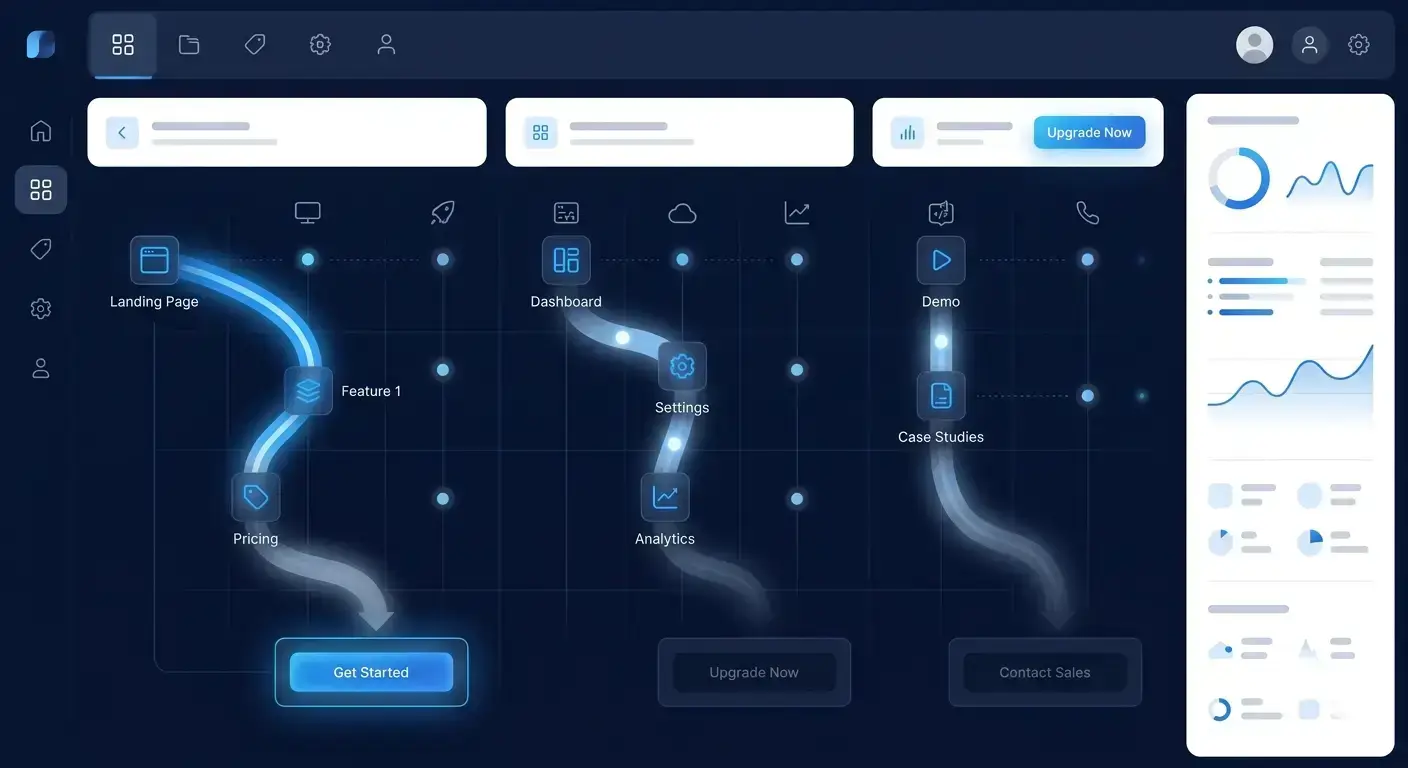
A useful website conversion funnel is a chain of decisions rather than a rigid marketing diagram. The visitor first confirms relevance, then understands value, evaluates credibility, chooses an action, and supplies information. The business must then acknowledge, route, and respond to that request. Research into silent conversion leaks is valuable because it examines the transitions, not only the visible pages.
Page responsibilities should follow that sequence. Campaign pages continue the campaign promise; service pages resolve suitability and risk; forms collect only information that supports qualification or response. Clear website strategy planning defines these responsibilities before teams add content, tools, and competing calls to action.
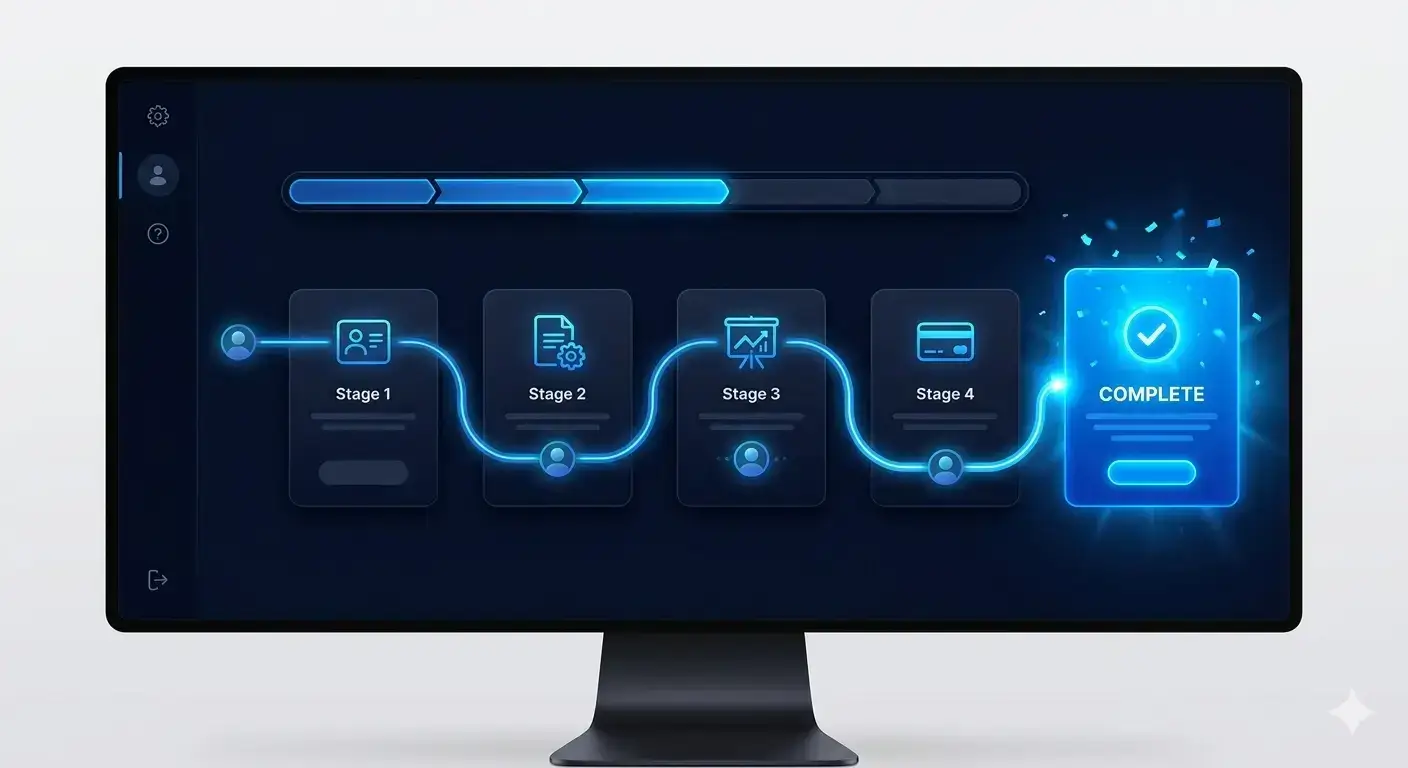
A credible UX conversion strategy reduces effort without removing decision-critical information. Visitors need an understandable hierarchy, predictable navigation, readable mobile layouts, visible actions, and forms that explain what happens next. The principles behind a high-converting landing page also apply to deeper journeys: maintain message continuity and avoid asking for more commitment than the current intent supports.
Evidence should answer the doubt created by the nearest claim. Scope clarifies fit, process explains delivery, relevant work demonstrates capability, and response expectations reduce uncertainty after submission. Practical service-page trust signals are strongest when placed beside the decision they support, while focused service-page improvements align the offer, proof, action, and capture step.
The relationship between website performance and conversions is operational as well as technical. Delayed content, unstable layouts, and slow controls interrupt comparison and form completion. Google’s Core Web Vitals overview identifies loading, interactivity, and visual stability as measurable experience dimensions. A targeted performance optimization review can then connect observed friction to its actual delivery cause.
Submission is not the end of conversion. Confirmation, notifications, CRM capture, assignment, and response ownership determine whether demand becomes a conversation. When website traffic not converting remains a concern despite healthy form activity, inspect these downstream handoffs. Connected website system architecture makes the route between page, record, team, and report easier to verify.
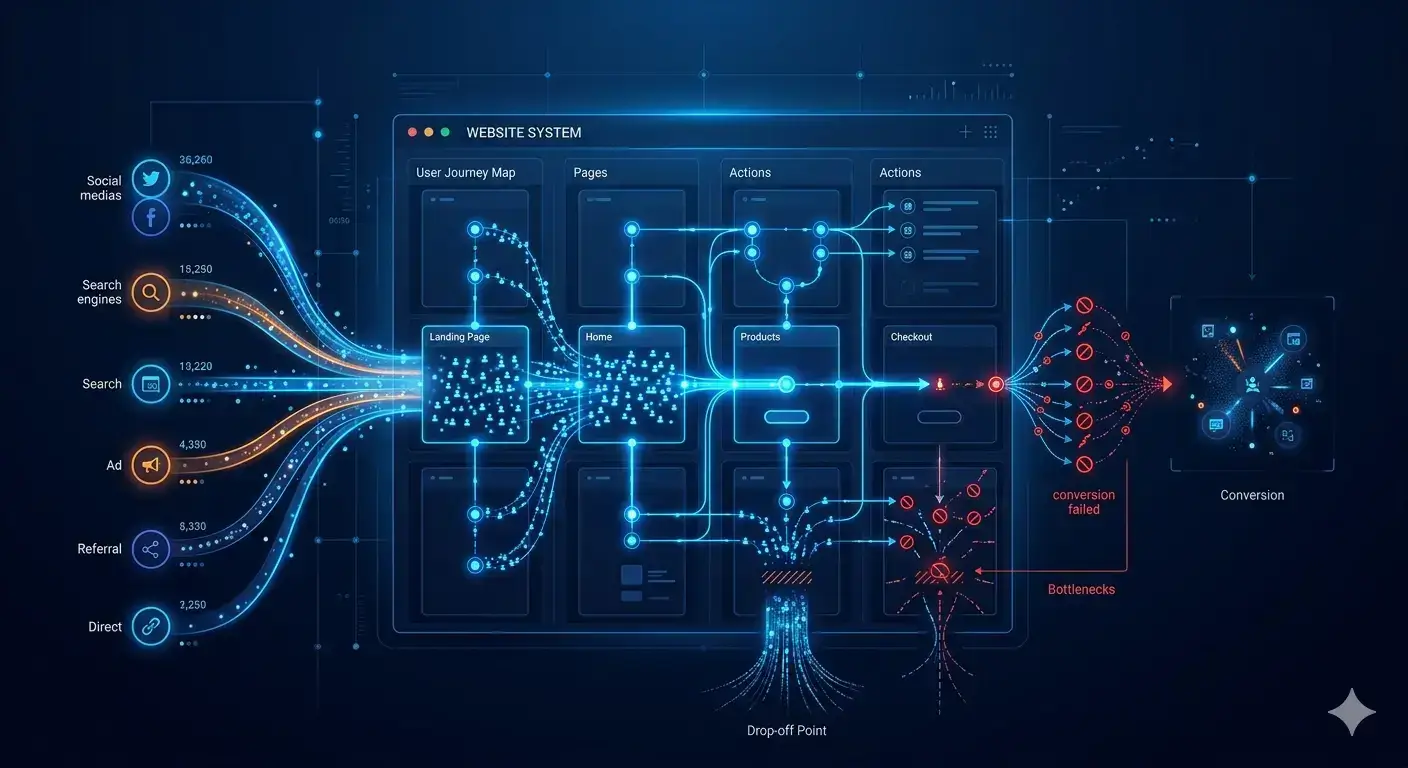
A disciplined conversion optimization strategy ranks problems by business impact, confidence, and repair effort. If visitors misunderstand the offer, clarify the message before shortening the form. If they start but abandon the form, investigate field friction and technical failure. If qualified requests receive weak follow-up, fix routing before purchasing additional demand.
To increase website conversion rate, define the outcome first: qualified inquiry, booking, purchase, or another accountable action. Measure progression toward it by source and page, then compare the result with lead quality and response handling. Sessions and clicks provide context, but they cannot prove that the customer journey creates commercial value.
Measurement should also separate page behavior from operational quality. A completed form can indicate interface success while still producing an unsuitable lead, an incomplete record, or a delayed reply. Review source context, qualification, assignment, response time, and final disposition together. This creates a feedback loop: marketing can see which sources bring appropriate intent, content teams can identify unanswered questions, and operations can expose routing failures that analytics alone cannot explain.
Use that evidence to run focused iterations. Change one meaningful stage, record the reason, verify the technical implementation, and observe whether the intended visitor progresses further without reducing lead quality. This is more informative than changing headlines, forms, proof, and page structure simultaneously because the team can connect an outcome to a specific intervention.
Resolving website traffic not converting is therefore a systems task. Preserve stages that already work, repair the highest-confidence bottleneck, and retest the complete path with relevant traffic. Once message, evidence, action, capture, handoff, and measurement support one another, acquisition has a dependable route to revenue rather than another place to leak.
Przeanalizuj intencję, komunikat, dowody, działanie, pozyskanie danych, przekazanie i pomiar jako jedną ścieżkę, zanim zainwestujesz w dodatkowe pozyskiwanie ruchu.
Rozpocznij przegląd systemuPoznaj generowanie leadówNajczęściej zadawane pytania dotyczące artykułu
Strona może nie rozwijać ich intencji, nie wyjaśniać oferty, nie ograniczać ryzyka, nie przedstawiać proporcjonalnego kolejnego kroku albo nie łączyć zgłoszenia z niezawodnym procesem odpowiedzi.
Nie z założenia. Najpierw trzeba potwierdzić, że obecni wartościowi odwiedzający rozumieją ofertę, mogą wykonać zamierzone działanie i otrzymują odpowiedź od konkretnej osoby; w przeciwnym razie większy ruch może zwiększyć tę samą stratę.
Nadaj priorytet wąskiemu gardłu popartemu najmocniejszymi dowodami i mającemu najbardziej czytelny wpływ na biznes, na przykład rozbieżności komunikatu, brakowi dowodów, awarii formularza, niskiej wydajności lub routingowi leadów bez właściciela.
Nie. Ukierunkowane zmiany pozycjonowania, kolejności stron, dowodów zaufania, formularzy, wydajności, śledzenia lub przekazywania zgłoszeń mogą rozwiązać potwierdzony problem i zachować te części strony, które już działają.
Śledź postęp od źródła i strony wejścia do zdefiniowanego działania, wartościowego wyniku, obsługi odpowiedzi i wkładu w przychody. Sesje i kliknięcia są wskaźnikami pomocniczymi, a nie ostatecznymi miarami sukcesu.