Necessary
Always activeSupports security, form reliability and remembering your privacy choice. It is not used for advertising.

Slow website performance disrupts customer journeys, weakens trust, reduces completed actions, and turns existing demand into avoidable business loss.
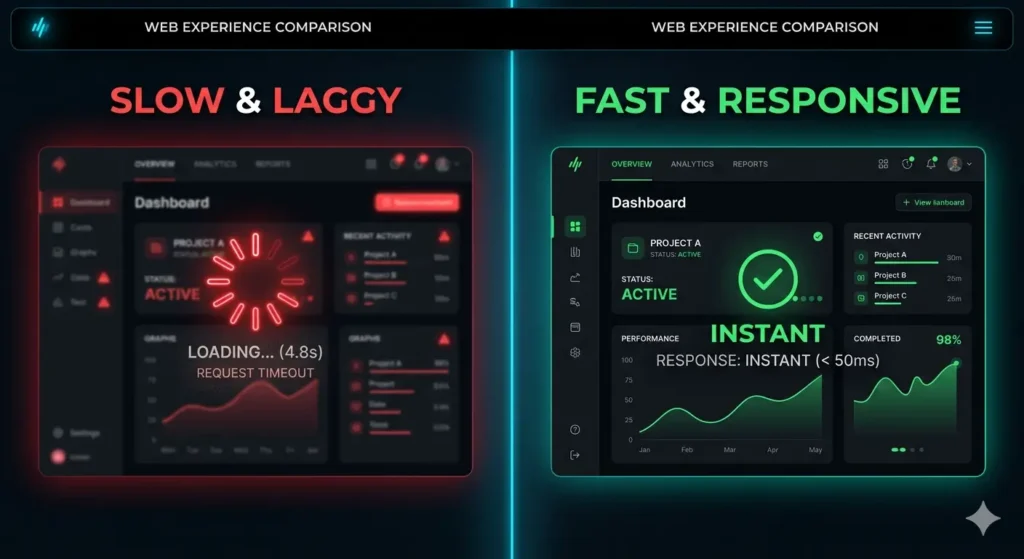
slow website impact is not limited to a loading indicator. It changes how quickly a visitor can understand an offer, compare options, trust the business, and complete an inquiry. A page may eventually appear, yet the delay has already interrupted attention and made every following step feel less dependable. For a service business, that means existing demand can disappear before the team ever sees it. It can also distort campaign decisions because weak outcomes may be blamed on traffic quality when the delivery experience is the real constraint.
Visitors experience a website as one continuous path, not as separate technical components. If the first page responds slowly, navigation hesitates, or a form stalls, confidence falls across the entire journey. These website speed issues amplify other weaknesses such as unclear messaging, crowded layouts, and weak calls to action. The result is not simply impatience; it is a broken decision sequence.
That sequence matters because conversion depends on momentum. A visitor must move from recognition to understanding, then from trust to action without unnecessary interruption. Mono’s approach to a connected website conversion system treats message, evidence, CTA flow, and lead capture as one operating path rather than isolated page elements.

A slow website conversion rate problem often appears as weak engagement, early exits, abandoned forms, or fewer completed calls and bookings. None of those signals proves speed is the only cause. They show where investigation should begin. Compare representative pages, devices, traffic sources, and key actions instead of relying on one homepage test.
Google’s Core Web Vitals guidance separates loading performance, responsiveness, and visual stability because each affects real use differently. The broader Web Vitals framework also emphasizes field experience rather than a single laboratory score. Business teams should connect those technical observations with analytics, form completion, and customer feedback.
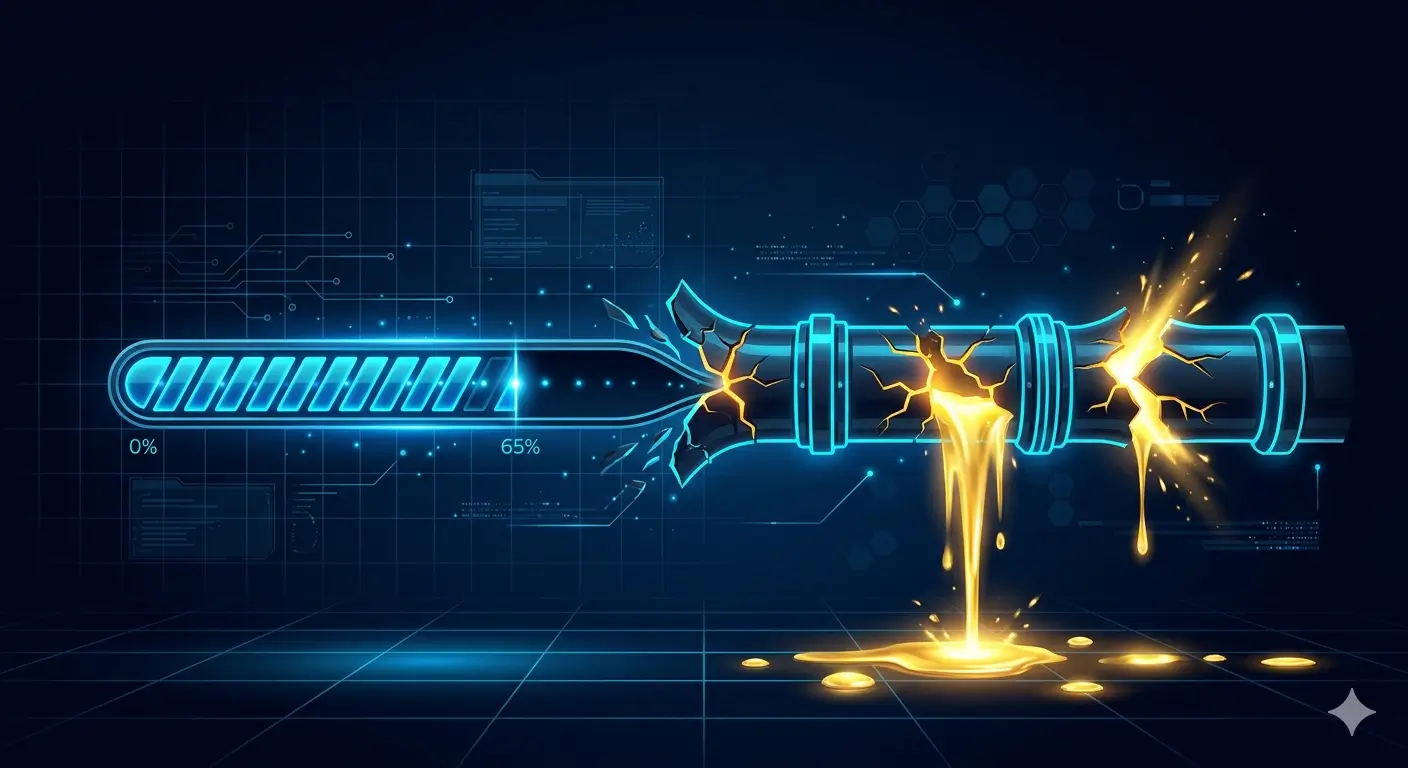
Visual polish cannot compensate for interactions that feel uncertain. Delayed menus, shifting layouts, late-loading proof, and unresponsive buttons make visitors question whether the next step will work. This is why website bounce rate should be read alongside page purpose and device context. A high exit on an informational page means something different from abandonment immediately before a qualified inquiry.
Speed therefore belongs in the same conversation as website trust signals, accessibility, content clarity, and mobile usability. Reviewing the web development foundation can reveal whether the constraint sits in templates, assets, scripts, hosting, integrations, or the structure of the journey itself.
Effective website performance optimization begins with diagnosis. Measure important templates and actions, identify the largest user-facing constraint, then select the smallest reliable change. Compressing an image may help one page, while an overloaded plugin, third-party script, uncached response, or fragile integration may affect the whole site. A structured website repair and optimization review keeps useful infrastructure when it can be repaired safely.
This prioritization prevents teams from chasing scores while ignoring the path that matters. It also makes ownership clear: development can address code and delivery, marketing can protect message and campaign intent, and operations can confirm that forms, routing, and response processes still work.
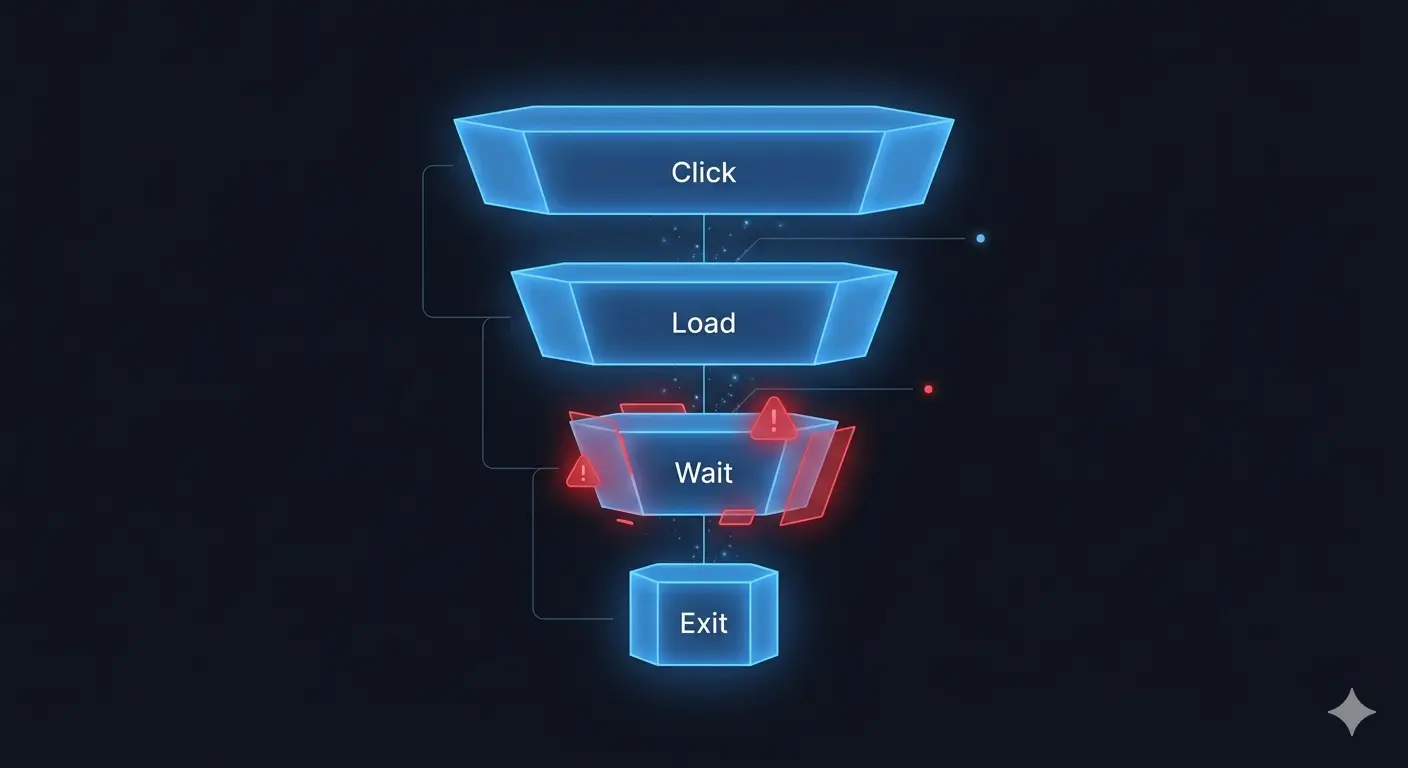
Website revenue loss cannot be calculated responsibly from a generic benchmark. Use your own evidence: entry-page demand, progression to service pages, CTA engagement, form starts, successful submissions, qualified leads, and response times. The slow website impact becomes clearer when technical events are connected to the exact points where customer intent weakens or disappears.
That measurement may expose wider infrastructure gaps. The digital growth infrastructure must preserve source context and ownership after a lead is captured. Reviewing relevant Mono project examples and the broader Insights library can help teams distinguish a page-level fault from a system-level bottleneck.
Performance declines when new campaigns, plugins, media, tracking, and integrations are added without shared standards. Establish budgets for critical templates, monitor representative journeys, and include performance checks in release and content workflows. The systems perspective described on Mono Digital’s approach is useful here: technology should support the real customer and operational path.
Ultimately, slow website impact is a warning that the digital journey is carrying more friction than customers should absorb. Diagnose the whole path, repair the highest-value constraint, verify normal WordPress behaviour, and keep monitoring after the change. A focused System Review can turn disconnected symptoms into a practical sequence of improvements without assuming that every website needs a rebuild.
Identify the highest-value constraint, protect what already works, and verify improvements across the complete customer journey.
Start a System ReviewSee Web DevelopmentArticle FAQ
It can interrupt the path from initial interest to inquiry by delaying content, interactions, navigation, or form completion. The commercial effect should be assessed with the business's own journey and conversion data.
Start with representative high-value pages and actions, then review loading, responsiveness, layout stability, failed interactions, form completion, and device-specific behaviour.
No. Technical improvements remove friction, but conversion also depends on offer clarity, trust, CTA relevance, form design, and operational follow-up.
Not automatically. Diagnose the cause first. Existing themes, plugins, content, and infrastructure should be preserved when they can be repaired safely and verified.
Use performance budgets, representative journey checks, controlled plugin and script changes, release verification, and ongoing field monitoring tied to important business actions.