Necessary
Always activeSupports security, form reliability and remembering your privacy choice. It is not used for advertising.

Cargobus moved from CakePHP to an editable WordPress platform with City Carrier API integration for parcel creation, live tracking and shipment-status workflows.
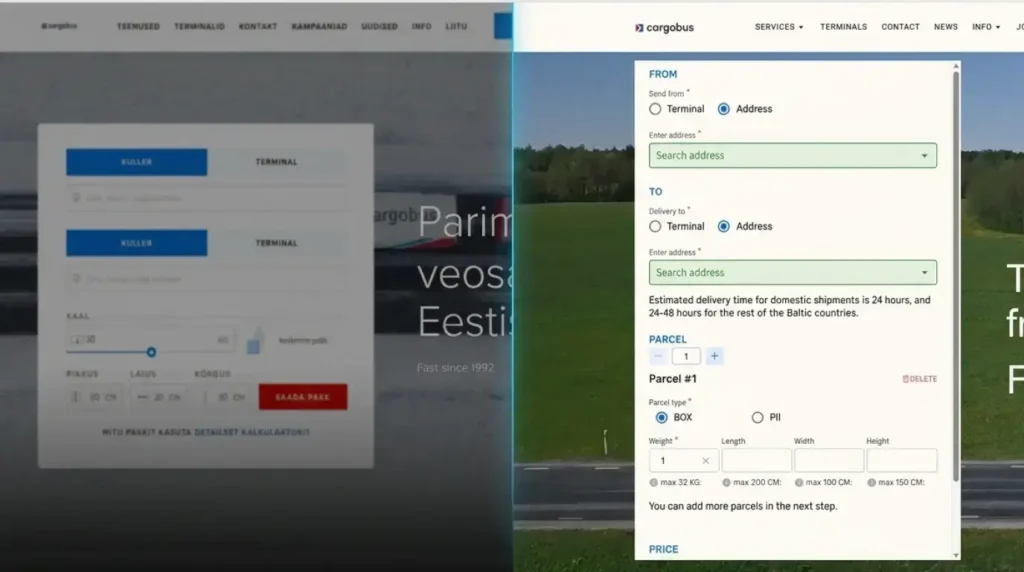
Cargobus already had a working digital platform, but the underlying CakePHP setup made routine content changes and future integrations difficult to manage. The project therefore focused on changing the technical foundation without changing the customer-facing structure that existing users already knew.
Mono rebuilt the website on WordPress, retained the established page and interaction patterns, and then connected the new platform to City Carrier APIs so parcel-related functions could operate through the website rather than as isolated backend processes.
The existing CakePHP system handled core website functionality, but common updates depended heavily on development work. This limited the marketing team’s ability to manage pages independently and made future expansion more complex.
The requirement was not a visual redesign. Cargobus needed the existing experience reproduced closely on a more manageable platform while protecting familiar user flows and creating room for deeper operational integrations.
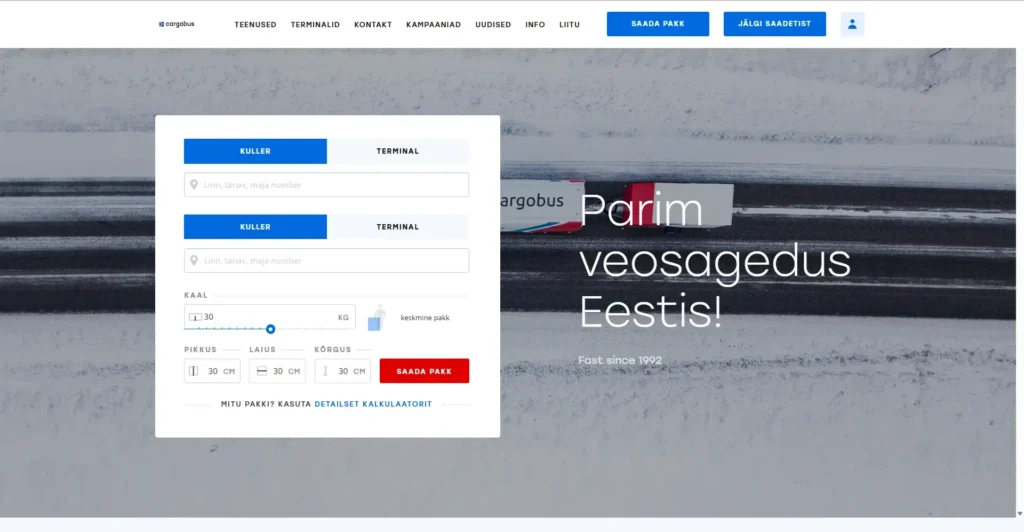
The first phase was a controlled CakePHP-to-WordPress migration. The frontend structure was rebuilt with close visual accuracy so customers would continue to encounter a familiar interface after the platform change.
WordPress provided a more practical content-management layer for the internal team while retaining the structure required by the existing service journey. The migration was treated as a foundation change rather than a redesign project.
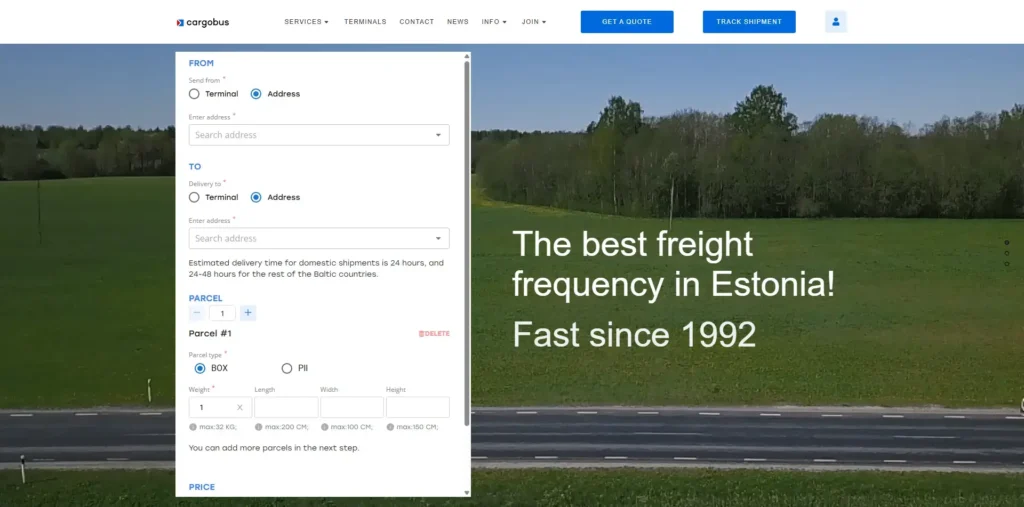
Once the WordPress foundation was in place, the project extended beyond content management. City Carrier API integrations connected the website to parcel operations and live shipment data.
The integration supported parcel creation workflows, shipment-status updates, order-level data synchronization and real-time tracking. This allowed the public website to function as an operational customer interface rather than only presenting static service information.
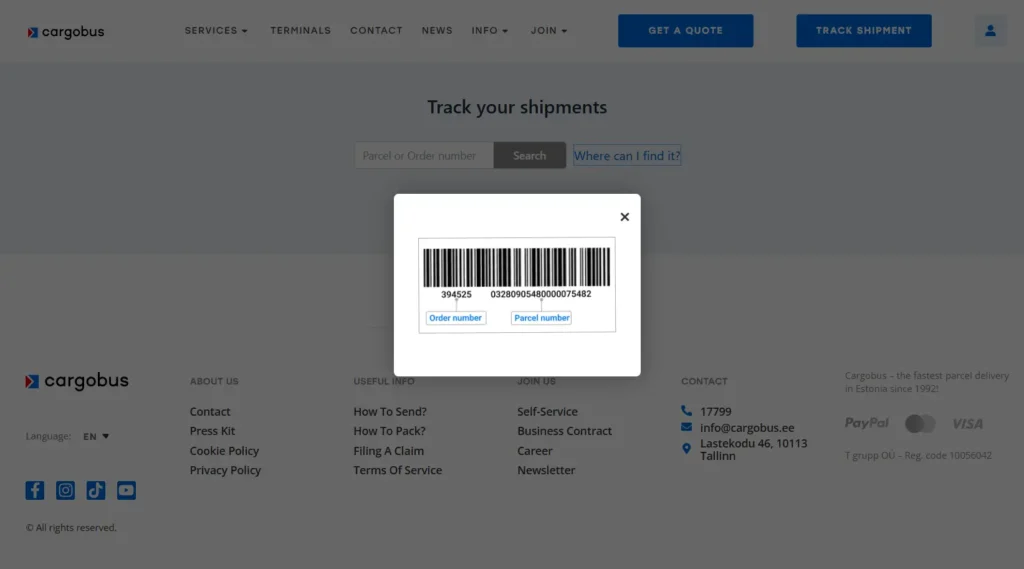
Customers can begin tracking with a parcel or order number. The entry interface keeps the task focused on the information required to locate a shipment.
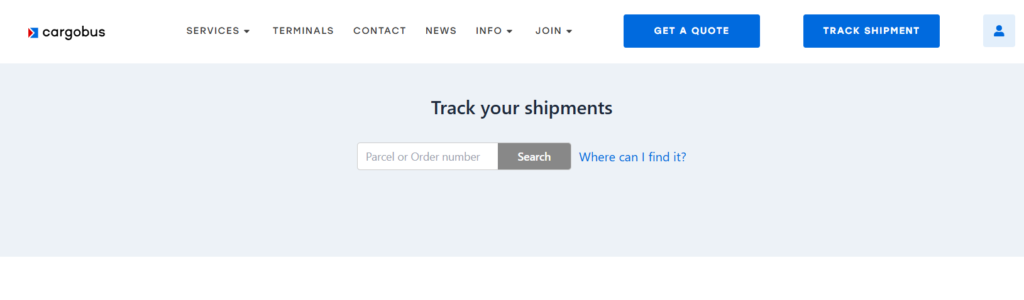
A contextual help option shows users where the relevant order and parcel numbers appear. This guidance is built directly into the tracking flow so a common point of uncertainty can be resolved without leaving the interface.
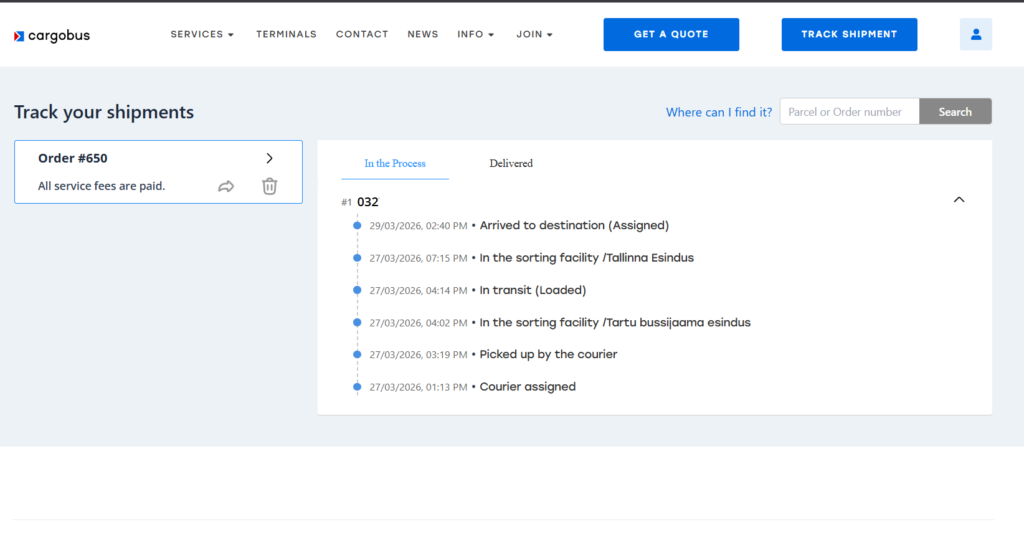
For shipments still in progress, live API data is presented as a structured timeline. The interface can show stages such as courier assignment, pickup, sorting-facility updates, transit and arrival at destination.
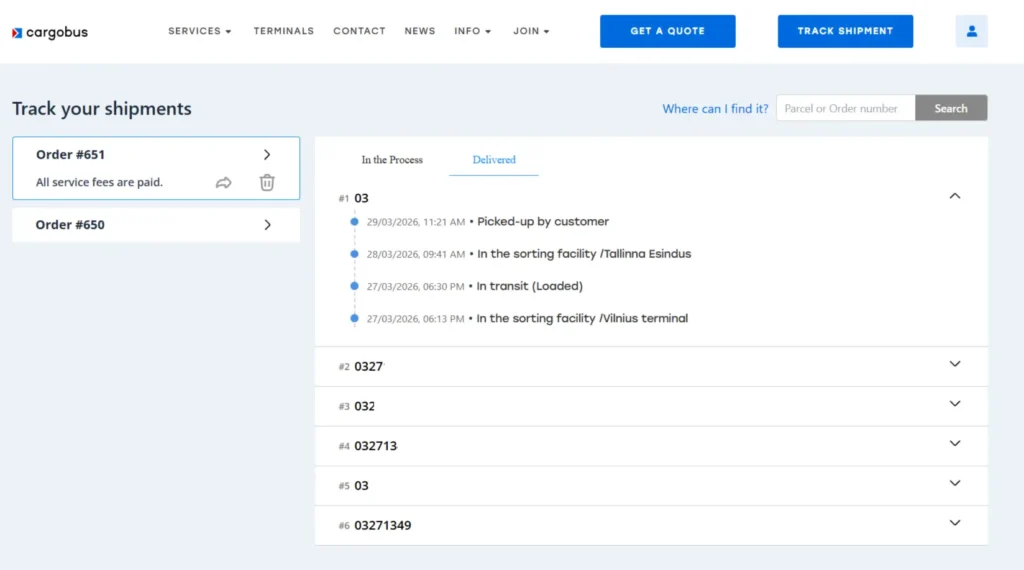
Delivered shipments are separated from active ones, allowing customers to switch between current and completed delivery states without mixing the two views.
Several constraints shaped the implementation.
The existing structure and user journey had to remain recognizable. The new WordPress backend needed to give the internal team more control over routine content updates. API-connected functions had to work inside the same customer-facing experience, and shipment information had to remain tied to live operational data rather than duplicated as static website content.
These requirements made the project a migration and integration exercise rather than a conventional website redesign.
The completed platform moved Cargobus from a less flexible CakePHP setup to an editable WordPress foundation connected directly to logistics workflows.
The marketing team gained a more manageable content environment, while customers retained a familiar website structure and gained access to live parcel creation and tracking functions through the same interface. The architecture also established a clearer foundation for adding future website features and integrations without rebuilding the entire platform.
The factual basis for the refreshed article—including CakePHP migration, WordPress reconstruction, City Carrier API integration, live tracking and the resulting operational functionality—is documented directly in the existing Case Study.