Necessary
Always activeSupports security, form reliability and remembering your privacy choice. It is not used for advertising.

Static websites present information. Lead generation systems connect visitor intent, capture, qualification, routing, response, and measurement into one accountable business journey.
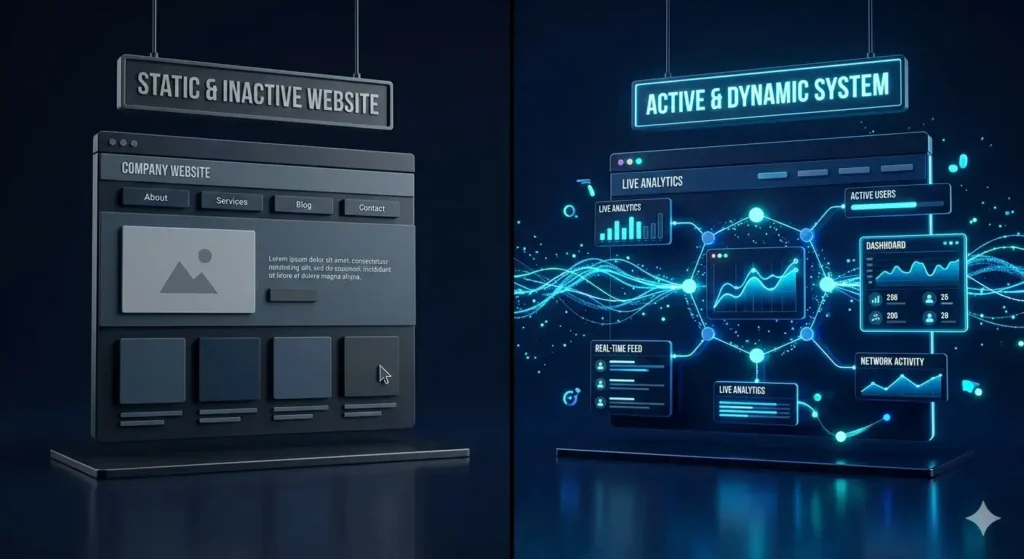
A lead generation website system turns a business site into a working path from visitor intent to a qualified inquiry. A static site can explain services and display contact details, yet still leave the next action unclear, the form disconnected, and the follow-up dependent on someone noticing an email. The difference is operational structure, not visual polish.
That structure matters because a visitor experiences one continuous journey. The business often manages that journey through separate pages, forms, inboxes, spreadsheets, CRM records, and team handoffs. When those parts are not planned together, traffic may arrive without becoming a useful sales conversation. This is why website traffic can fail to convert even when the site looks complete.
The system begins before the form. It connects the traffic source, page promise, evidence, call to action, data capture, qualification, routing, response, and measurement. Each step has a defined purpose. Good conversion architecture helps visitors understand the offer, decide whether it fits, and take the next appropriate action without searching for instructions.
This flow should be defined during website strategy planning, before design decisions lock in a weak journey. It also gives strategic website design a practical job: make choices and transitions easier rather than decorate disconnected pages.
Ownership should be equally explicit. Marketing may attract the visit, but sales or operations must know when a record arrives, what information it contains, and which response standard applies. Without that agreement, software only moves an unresolved handoff faster.
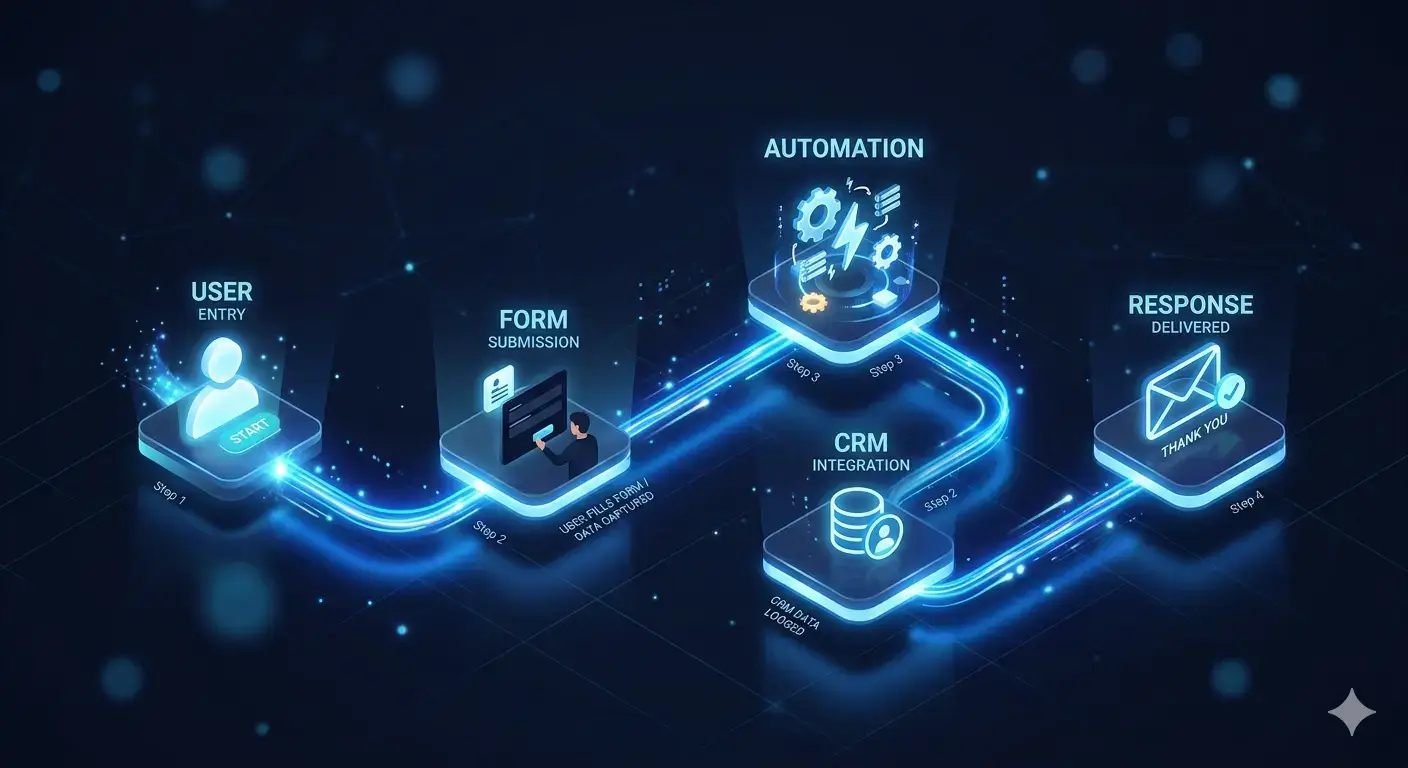
The website vs system distinction becomes visible after someone shows interest. A static page may submit a form successfully, but success for the visitor is not the same as progress for the business. If nobody owns the response time, the inquiry lacks source data, or the CRM receives incomplete records, the handoff is already fragile.
A reliable lead capture system confirms submission, preserves useful context, and creates an accountable next step. The W3C guidance on form user notifications explains why people need clear success or error feedback. Internally, the business also needs confirmation that the record arrived, who owns it, and what should happen next.
These gaps rarely look dramatic. They appear as delayed replies, duplicate data entry, unqualified calls, missing attribution, or inquiries that remain in a shared inbox. Over time, they become structural website revenue leaks. Reviewing the complete path is more useful than changing button colours or adding another generic form.
An automated lead generation website should not automate confusion. First define the lead qualification workflow: what information matters, which inquiries need priority, where records belong, and when a person takes over. Automation can then acknowledge requests, enrich records, notify the correct team member, create tasks, and preserve campaign attribution.
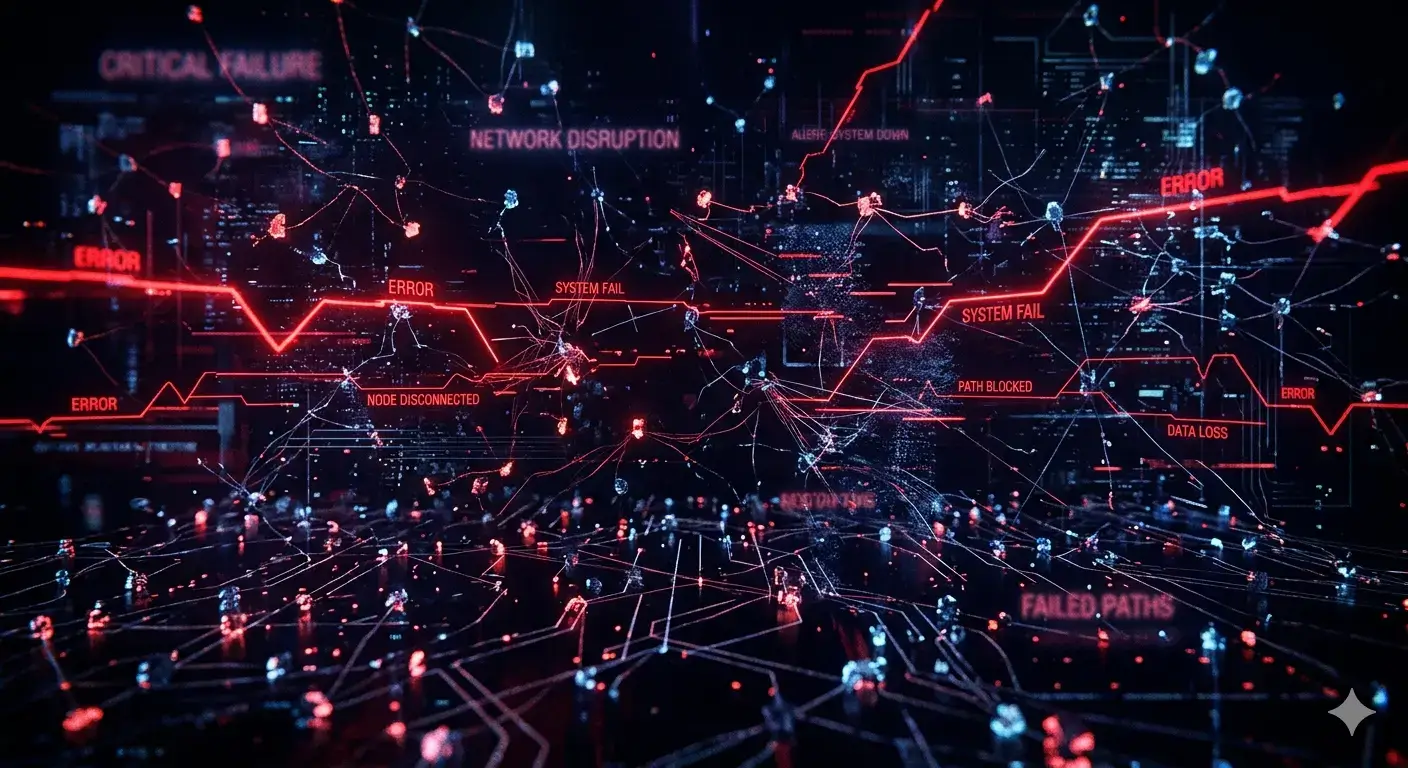
A website automation system is strongest when exceptions remain visible. Failed submissions need alerts. High-value inquiries may need immediate human review. Sensitive or unusual requests should not receive an unsuitable sequence. Mono’s approach to AI automation for business workflows reflects this need for controlled handoffs rather than unattended responses.
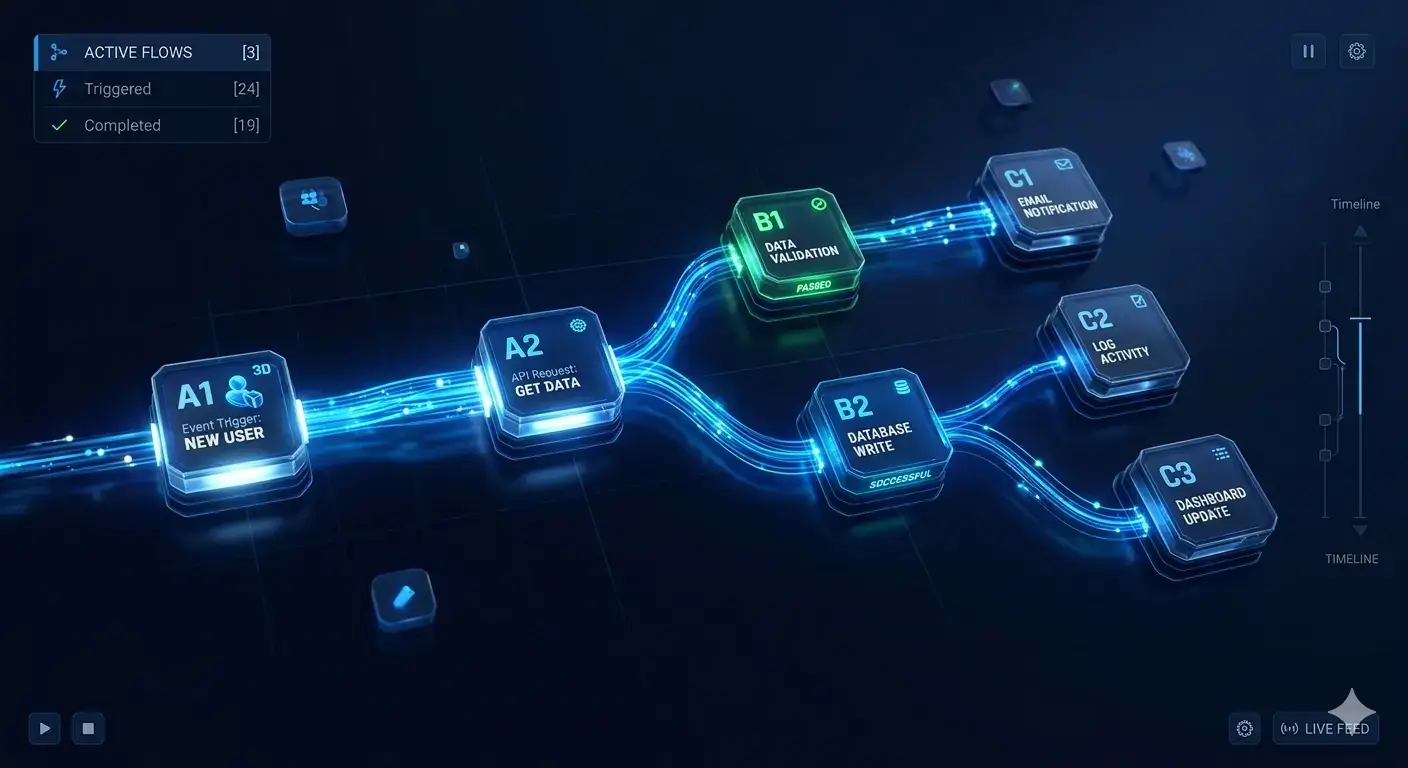
A modern lead generation website system combines content and operations. Service pages answer the questions that affect fit. Proof appears near moments of doubt. Calls to action match the visitor’s readiness. Forms request enough detail to route the inquiry without creating avoidable friction. Practical conversion optimisation improvements can strengthen these moments, but they should support one coherent customer journey.
Performance is part of that journey. Slow or unstable pages can interrupt a visitor before the capture step, so teams should monitor loading, interactivity, and visual stability using established Core Web Vitals guidance. Mono’s article on website performance optimisation also explains why speed requires ongoing maintenance, not a one-time launch check.
Start with a real inquiry and trace it end to end. Identify its source, review the landing message, submit the form on desktop and mobile, inspect the confirmation, follow the routing, and check the record received by the team. Then compare the process with the broader components of connected business website systems.
The result should reveal whether the main constraint is message clarity, conversion flow, technical reliability, qualification, response, or measurement. A focused website conversion system may solve an on-page decision problem, while a complete lead generation system connects traffic sources, routing, and follow-up.
The final measure is simple: can the business explain how an interested visitor becomes an owned, qualified, measurable opportunity? A lead generation website system makes that path explicit. It gives the website a business function, gives the team clear responsibility, and creates evidence for deciding what to improve next.
Review the path from traffic and inquiry capture to routing, response, and measurement before investing in another isolated website change.
Start a System ReviewSee Conversion SystemsArticle FAQ
It connects relevant traffic and page messaging with lead capture, qualification, routing, response ownership, and measurement. The website is one part of the operational path rather than an isolated brochure.
Visual quality does not fix unclear offers, weak proof, unsuitable calls to action, high-friction forms, disconnected routing, or slow follow-up. Any break between visitor intent and team response can reduce useful inquiries.
Good candidates include submission confirmations, CRM record creation, source capture, internal alerts, task creation, and approved follow-up steps. Exceptions and high-value inquiries should remain visible to a responsible person.
Submit a realistic inquiry on desktop and mobile, inspect the visitor confirmation, verify the stored data and source, follow the routing, confirm team ownership, and check whether the final outcome can be measured.
No. If the existing structure can support a clearer journey, targeted changes to messaging, proof, forms, routing, automation, and tracking may be enough. A rebuild is justified when the current architecture cannot support the required flow.