Necessary
Always activeSupports security, form reliability and remembering your privacy choice. It is not used for advertising.

Website automation creates commercial value when customer journeys, data, routing, response, and measurement operate as one reliable and maintainable system.
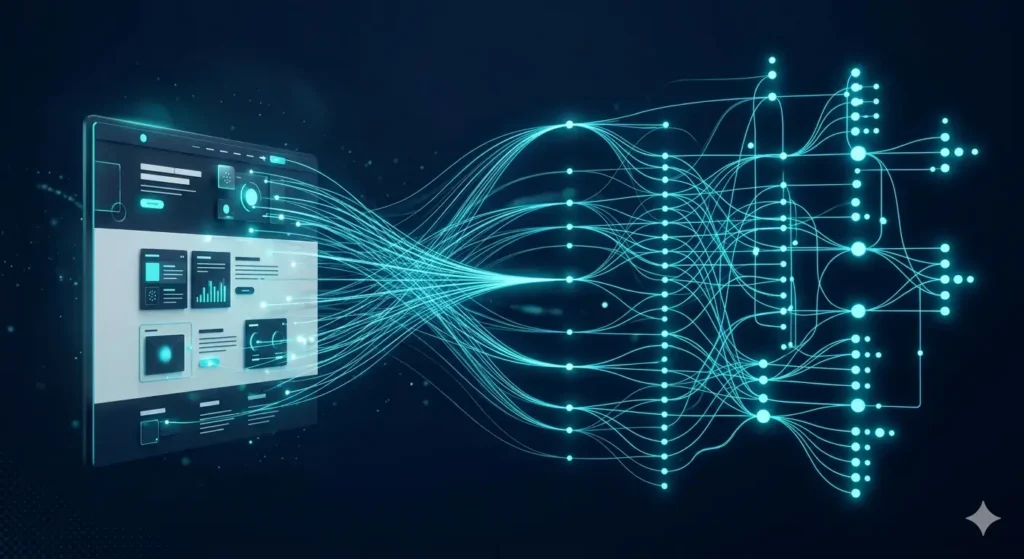
A website automation system should do more than send an email after a form submission. It should connect a clear user journey to reliable data capture, routing, response, and measurement. Rules that automate website navigation should reduce avoidable manual delay while preserving context for the customer and the team. The commercial value comes from continuity: a qualified visitor can understand the next step, complete it, receive confirmation, and enter the correct operational workflow without information being copied between disconnected tools.
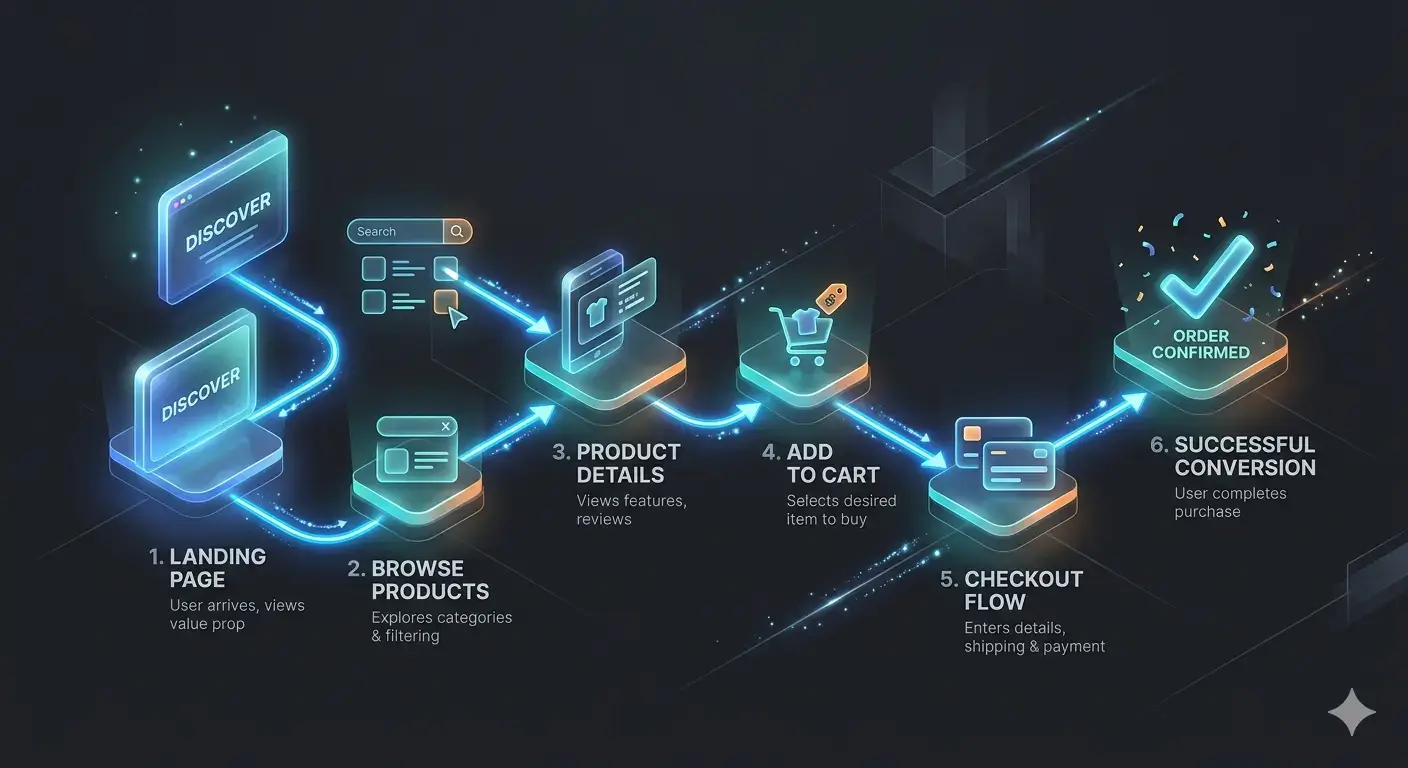
Start with the customer path, not the automation platform. Define the important journey from landing page to enquiry, booking, purchase, onboarding, or support. At each transition, document what the visitor needs, which action is primary, what data is necessary, and who owns the next response. Mono’s guide to a lead generation website system shows why acquisition, qualification, and follow-up should be treated as one connected process.
Only then decide where to automate website actions. Useful triggers might confirm a submission, assign a request by service or location, create a CRM record, schedule a task, or notify the correct person. Automation should never guess when the customer’s meaning is unclear. It should capture enough context, apply explicit rules, and provide a manual review path for exceptions. This keeps speed from replacing judgement where a human decision is still required.
Many websites collect information without establishing what happens next. To automate data collection responsibly, use only fields needed for the workflow, validate inputs, state the purpose clearly, and map each field to a destination and owner. Google’s documentation for collecting Analytics events also distinguishes recommended events from custom measurement. A tracking event can show that an interaction occurred, but it does not replace a verified business record or prove that a qualified outcome followed.
Design the data path before connecting tools. Decide which system is authoritative for contact details, consent, lead stage, booking status, and revenue outcome. Define deduplication, error handling, retry behaviour, access, and retention. A clear website system architecture prevents several platforms from becoming conflicting sources of truth. Without that discipline, automation can distribute incomplete data faster while making failures harder to diagnose.

A website conversion system does not end when a CTA is clicked. Forms must validate clearly, confirmation states must be unambiguous, notifications must reach the right owner, and follow-up must match the visitor’s request. Review conversion rate diagnosis across the complete workflow: entry, progression, submission, routing, response, qualification, and outcome. This exposes failures that page-level analytics alone cannot explain.
For automated lead generation, qualification rules should be transparent and reversible. A high-intent request may deserve immediate notification, while an incomplete or ambiguous submission may require review rather than rejection. Build clear fallbacks for unavailable integrations and delivery failures. The practical lesson from common conversion optimization mistakes is that faster movement is not automatically better movement; the system must protect lead quality and customer expectations.

A smart website system is not defined by the number of triggers or AI features it contains. It is defined by whether normal and exceptional cases are handled predictably. Test duplicate submissions, invalid data, integration timeouts, notification failures, changed field names, and unavailable staff. Log enough information to diagnose a fault without exposing sensitive data. When the foundation is unstable, website repair and optimization should come before additional automation layers.
The same rule applies to AI-assisted responses. Use approved knowledge, define which questions can be answered, state when a human takes over, and retain the original enquiry context. Mono’s AI automation service is most relevant when the workflow, constraints, and escalation path are already understood. Otherwise, the business risks automating inconsistency rather than improving service.
Security and change control belong in the same design. Limit each integration to the access it needs, keep production credentials outside page content and routine reports, and record who can change routing or response rules. Test changes in a controlled environment where possible, then verify a representative production journey without exposing personal information. Review dependencies periodically because fields, endpoints, permissions, and team responsibilities can change. A workflow that worked at launch can fail quietly later unless ownership, monitoring, and recovery remain active.
A durable website automation system needs ownership after launch. Document triggers, destinations, credentials ownership, fallback procedures, and expected response times. Monitor failures and qualified outcomes, not just submission volume. Re-test critical journeys after form, CRM, analytics, plugin, or campaign changes. This turns automation into maintainable infrastructure rather than a collection of invisible dependencies.
The strongest website automation system is therefore not the one that removes every human task. It is the one that removes avoidable delay, preserves customer context, makes responsibility clear, and gives people reliable evidence for the decisions that still require judgement. Map the journey, automate explicit rules, verify the complete workflow, and improve it against real business outcomes.
Map the customer path, identify avoidable delays and handoff failures, and define the smallest automation that can be verified safely.
Start a System ReviewReview Conversion SystemArticle FAQ
Start with a repeated, clearly defined handoff that causes measurable delay or error, such as submission confirmation, lead routing, or task creation. Keep a manual fallback until the workflow is proven reliable.
Yes. It can confirm receipt, preserve enquiry context, route the request, and notify the correct owner immediately. The business still needs clear ownership and a realistic human response process.
Collect only information needed to complete the stated workflow. Each field should have a clear purpose, destination, owner, retention rule, and role in qualification or service delivery.
Define retries, alerts, logs, manual recovery, and customer-facing confirmation states before launch. Test timeouts, duplicate submissions, invalid data, and unavailable integrations.
No. Many valuable workflows use explicit rules for confirmation, routing, task creation, and follow-up. AI is appropriate only when its knowledge, boundaries, review, and escalation path are clearly defined.