Necessary
Always activeSupports security, form reliability and remembering your privacy choice. It is not used for advertising.

Conversion loss rarely comes from one dramatic defect; it emerges when unclear journeys, weak trust, form friction, and disconnected follow-up compound across the website system.

Conversion leaks website problems are rarely announced by a broken page or obvious error. A site can attract relevant visitors, explain a credible service, and still lose opportunities between interest and action. The loss happens through small moments of uncertainty: an unclear next step, missing proof, a confusing form, or follow-up that arrives without context.
These gaps matter because conversion is a connected process, not a button. Marketing creates expectations, page structure guides evaluation, interactions collect information, and operations respond. When those parts are planned separately, a polished website can produce activity without producing enough qualified inquiries.
The first leak often appears before a visitor reaches a form. Navigation may reflect internal departments rather than customer questions. Service pages may describe capabilities without clarifying who they suit, what problem they solve, or what happens next. Strong website strategy planning prevents those decisions from being left to individual page design.
A useful conversion journey gives each page a role. Entry pages establish relevance, supporting pages resolve uncertainty, evidence builds confidence, and calls to action lead to an appropriate commitment. When the journey lacks that sequence, visitors must construct their own path and are more likely to leave before deciding.
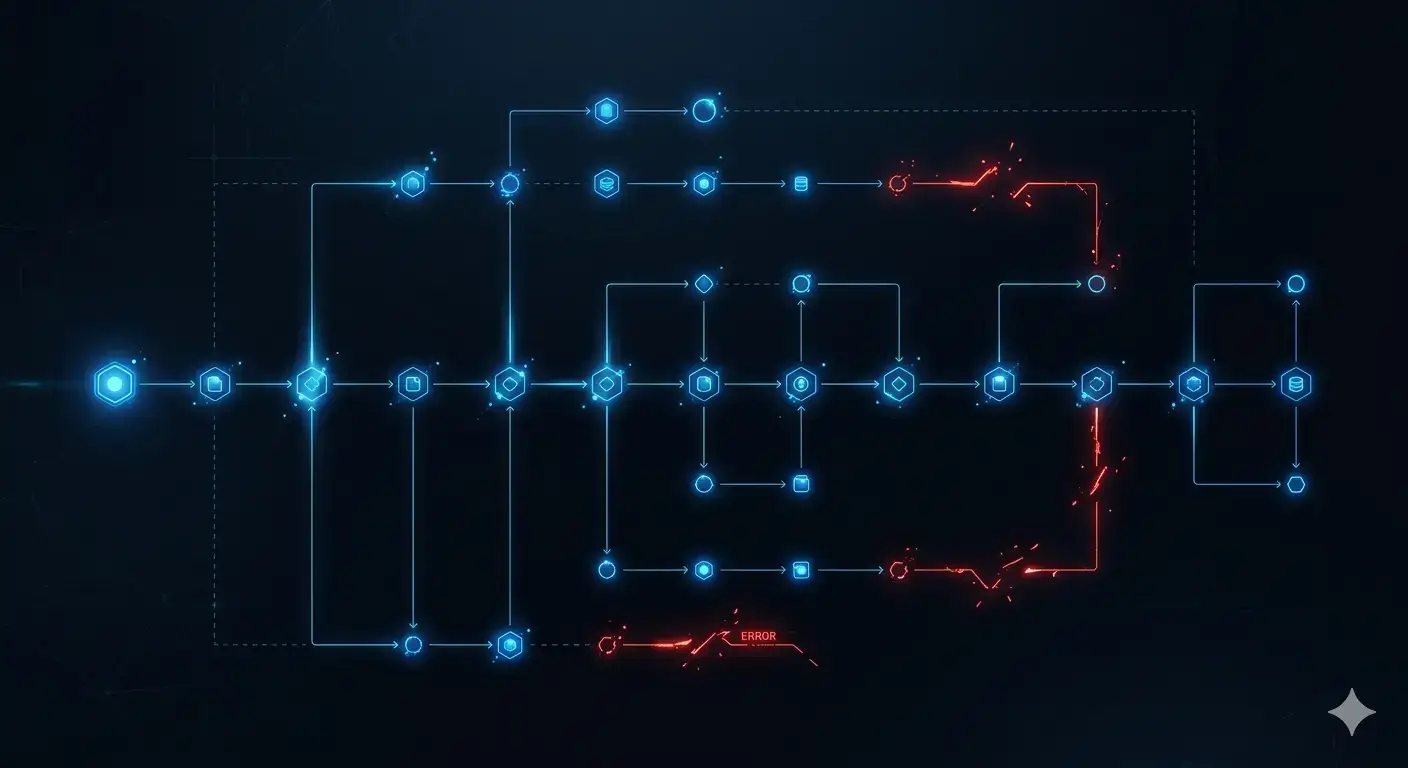
UX friction website issues make a reasonable action feel harder than expected. Dense forms, unexplained requirements, weak mobile layouts, and ambiguous error messages all increase effort. The W3C forms guidance shows why labels, instructions, validation, and feedback are essential parts of an accessible interaction.
Friction also comes from inconsistency. A campaign promises one outcome while the landing page emphasizes another. A primary action changes labels between pages. A booking or inquiry step introduces questions that were never explained. These are common conversion rate issues because they interrupt confidence at the moment commitment is required.
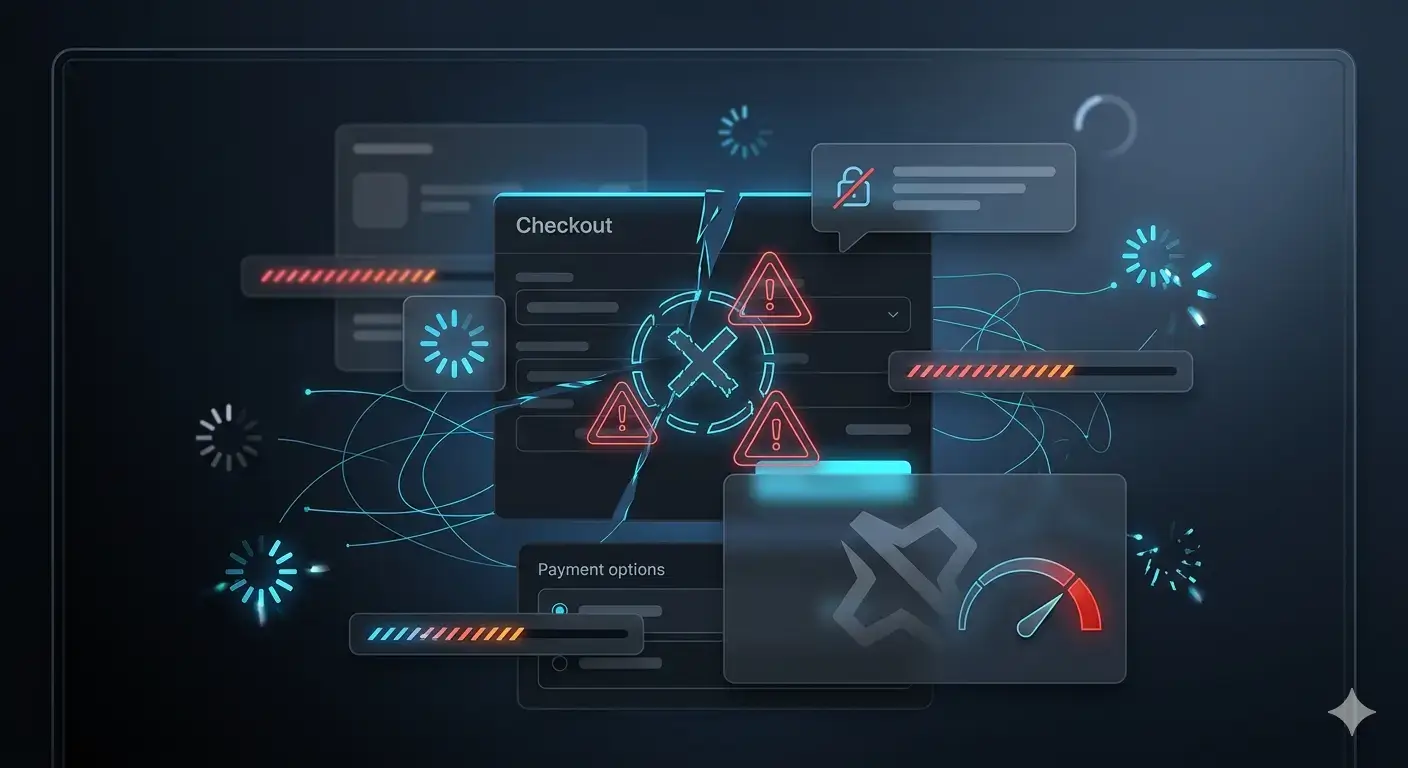
Trust is not created by visual polish alone. Visitors look for specific claims, credible evidence, understandable pricing or process information, and consistent signals about who will respond. The relationship between website design and trust becomes especially important near forms, bookings, and purchase decisions.
Many lost leads website problems occur after submission. The form succeeds technically, but the acknowledgement is vague, the inquiry reaches a shared inbox, or no one owns the next step. A reliable lead response process should preserve source context, confirm what happens next, route the inquiry, and create clear responsibility.
This is why a lead generation website system must connect frontend decisions with operational follow-up. Without that connection, teams may report form submissions while prospects experience delay, repetition, or silence.
Sales funnel leaks cannot be diagnosed from page views alone. Teams need to compare traffic sources, journey progression, form starts, completions, response ownership, and qualified outcomes. A focused website audit can reveal where the path becomes unclear, while performance review identifies whether delays contribute to abandonment.
Technical speed is only one part of the picture, but it affects every stage. The business impact of a slow website includes interrupted interactions and reduced confidence. Structure matters too: connected business website systems make ownership and measurement visible.
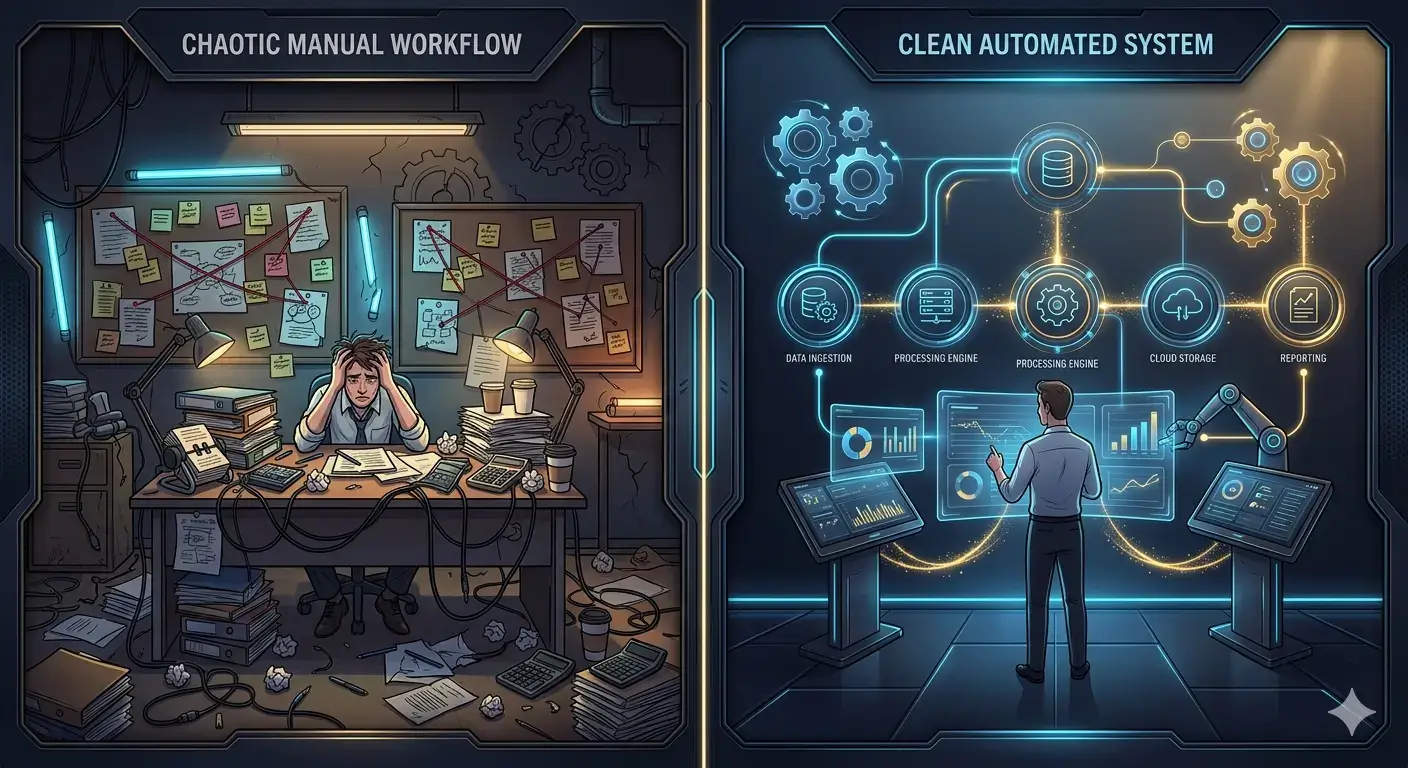
Start by mapping one representative journey from entry to qualified outcome. Record the visitor’s question, the evidence required, the intended action, the data destination, the response owner, and the measurement event. Then prioritize gaps by business impact, frequency, dependency, and implementation risk.
Analytics should explain more than how many people reached a page. Useful measurement connects source, journey stage, interaction, completed action, response ownership, and qualified outcome. That makes it possible to distinguish a messaging problem from a form problem, a technical delay, or a follow-up gap. It also prevents teams from treating a higher click count as success when downstream results remain unchanged.
Review should continue after an improvement is released. Compare representative journeys, check whether routing still works, and confirm that teams use the information being collected. Services, campaigns, tools, and responsibilities change over time, so a conversion path that worked at launch can develop new gaps unless someone owns its maintenance.
A website conversion system coordinates these decisions, while conversion-focused development implements them reliably. Addressing conversion leaks website weaknesses this way replaces isolated tweaks with an operating model the team can maintain.
The goal is not a frictionless website in the abstract. It is a dependable path that helps the right visitor understand, trust, act, and receive an appropriate response. When conversion leaks website risks are measured across that complete path, improvement becomes focused and verifiable.
Map the complete journey, prioritize the highest-impact gaps, and connect every visitor action to accountable follow-up and measurement.
Start a System ReviewSee Web DevelopmentArticle FAQ
It is a point where a relevant visitor loses clarity, confidence, or continuity before completing a valuable action or receiving an effective response.
Map representative journeys and compare page progression, form behavior, completed actions, response ownership, and qualified outcomes rather than relying on traffic alone.
No. Some problems come from messaging, forms, routing, integrations, or follow-up. The right scope depends on the diagnosed cause and its dependencies.
Prioritize by business impact, frequency, dependency, implementation risk, and whether the improvement can be measured reliably.
Measure completed high-value actions, qualified demand, response time and ownership, journey progression, and technical reliability before and after the change.