Necessary
Always activeSupports security, form reliability and remembering your privacy choice. It is not used for advertising.

Disconnected website tools can make a fast interface operationally slow. Trace each customer action through capture, ownership, response, and measurement to find the real break.
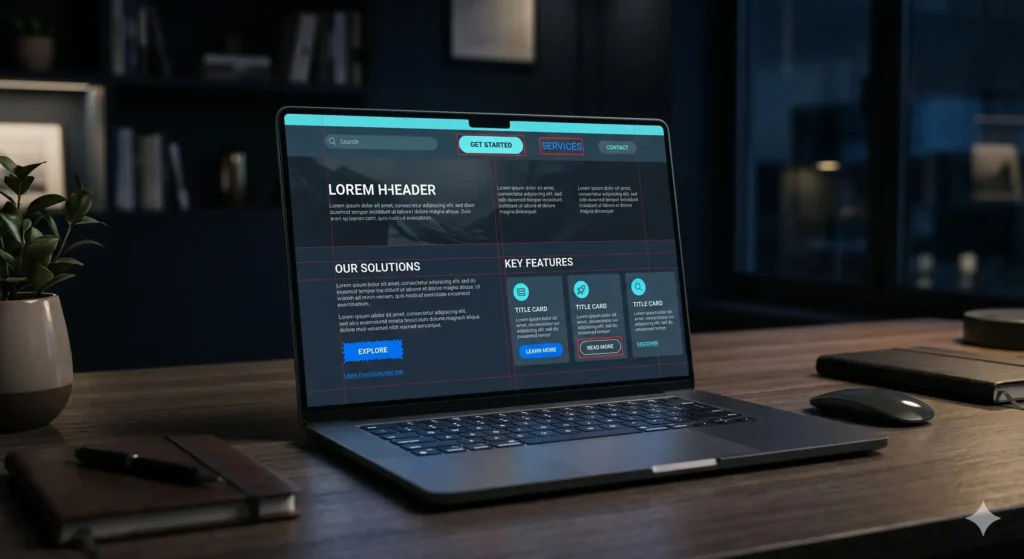
When a visitor submits a form, the visible interaction may be complete, but the business process has only begun. Website integration problems appear when that action cannot move reliably into the CRM, booking calendar, payment flow, analytics, or follow-up queue. The result is not simply technical untidiness: customers wait, teams lose context, and managers cannot see which journeys produce useful opportunities.
A page can load quickly while the workflow behind it remains slow. The distinction matters because user-centric performance metrics describe what people experience on the page, while operational performance continues after the click. A useful pagespeed optimization approach therefore needs to sit beside process testing, not replace it.
Start by tracing one real enquiry from arrival to resolution. Record where data is captured, who receives it, what confirmation the prospect sees, and how the outcome is measured. This exposes disconnected tools that interface screenshots often hide. It also distinguishes a frontend defect from an ownership or process gap.
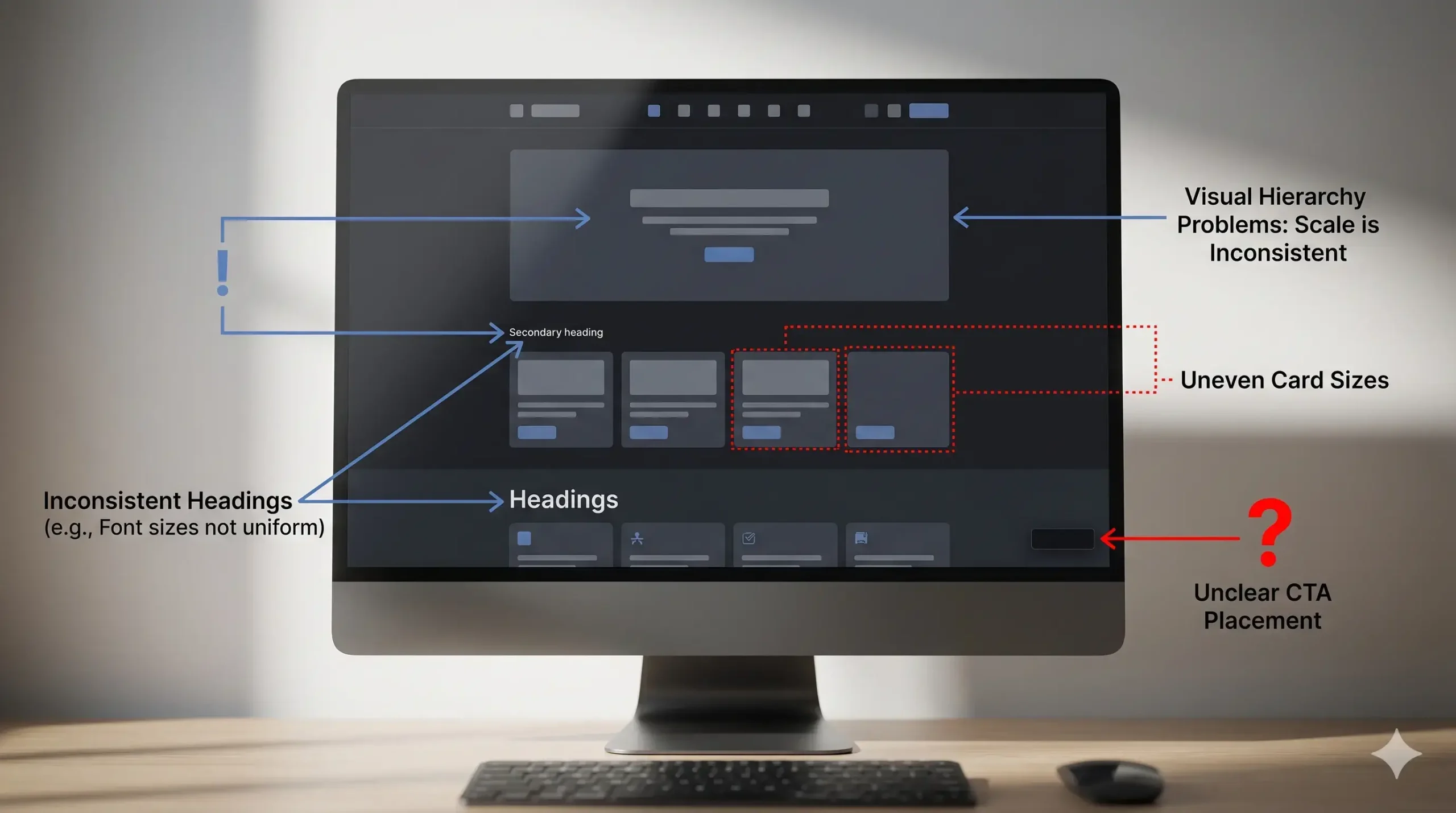
The first break is lead capture without dependable delivery. A form may store a submission but fail to create an owned task. Second is weak CRM integration, where contact details arrive without service interest, campaign source, or page context. Third is delayed notification: a generic inbox receives the message, but nobody is accountable for responding.
Fourth is fragmented scheduling. Good booking system integration keeps availability, customer details, confirmations, and internal notifications aligned. Fifth is a payment handoff that sends users into an unfamiliar experience or fails to return a clear status. Sixth is incomplete tracking and analytics, which counts visits or submissions but not qualified outcomes. Seventh is follow-up that depends on memory, spreadsheets, or repeated copying.
These faults compound. A prospect may tolerate one small delay, yet several inconsistent handoffs weaken confidence. The same principle explains why website trust signals must continue through forms and confirmations, and why conversion leaks should be diagnosed across the journey rather than page by page.
A reliable website automation system gives every important event a defined next step. Submission can create a record, preserve consent and source context, trigger automated lead routing, send an appropriate acknowledgement, and assign a deadline to the responsible person. Automation should make ownership clearer; it should not bury an unclear process beneath more software.
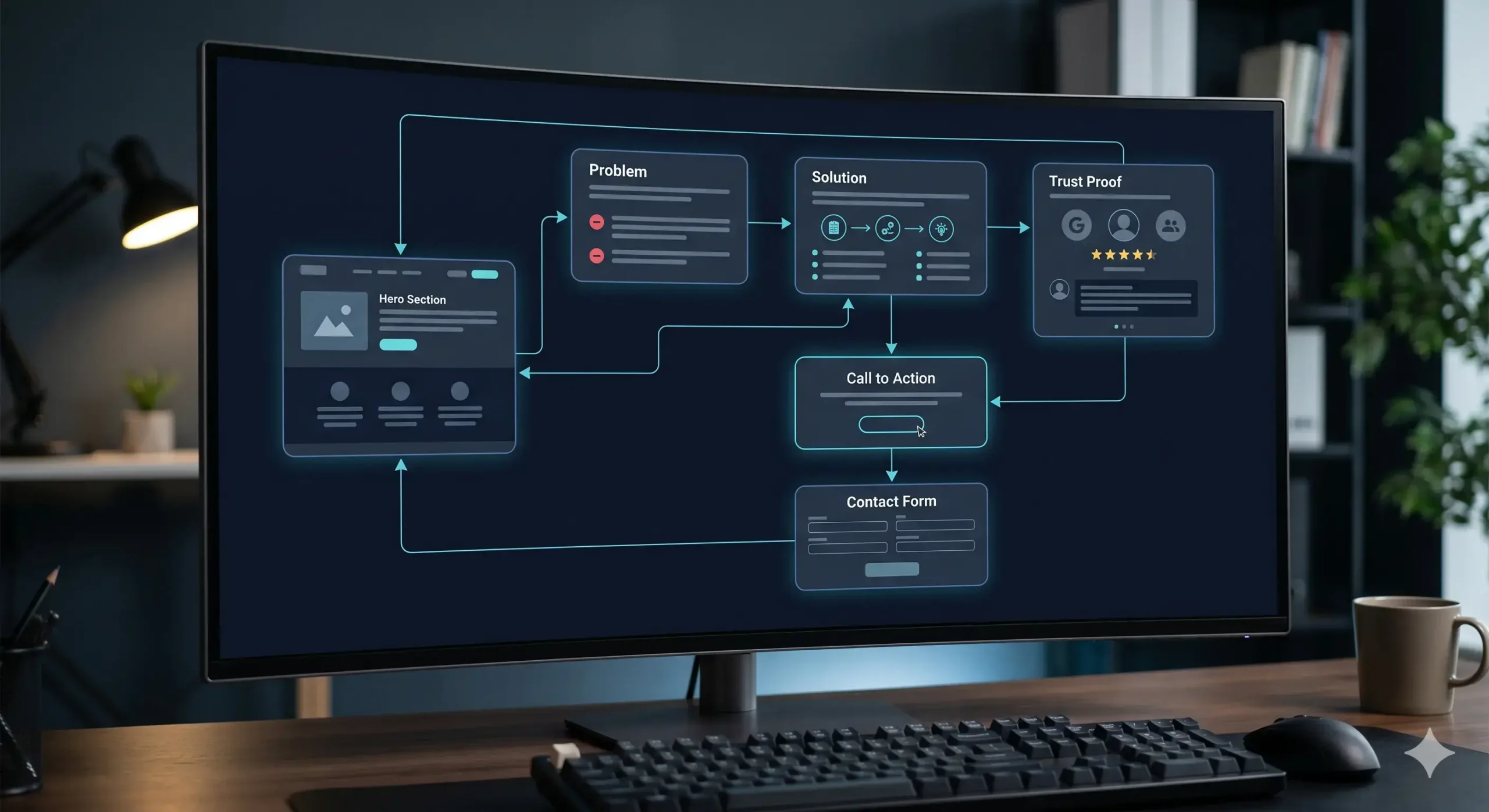
This is where lead flow becomes an architecture question. The website, data model, team responsibilities, and response logic must agree. A lead generation website system can support that sequence, while deliberate website structure strategy ensures visitors reach the right decision points before data enters the operational layer.
Measurement should connect acquisition, interaction, qualification, response, and outcome. Otherwise, teams may optimize campaigns for cheap submissions while overlooking whether those enquiries were relevant or answered. Define a small set of events and statuses that reflects the actual customer journey, then confirm that every system uses consistent identifiers.
Website integration problems often become visible when reports disagree. The analytics platform shows one total, the CRM another, and the booking tool a third. Instead of choosing the most convenient number, audit event definitions, duplicate handling, source persistence, and failure states. The article on traffic that does not convert provides useful context for separating acquisition issues from journey issues.
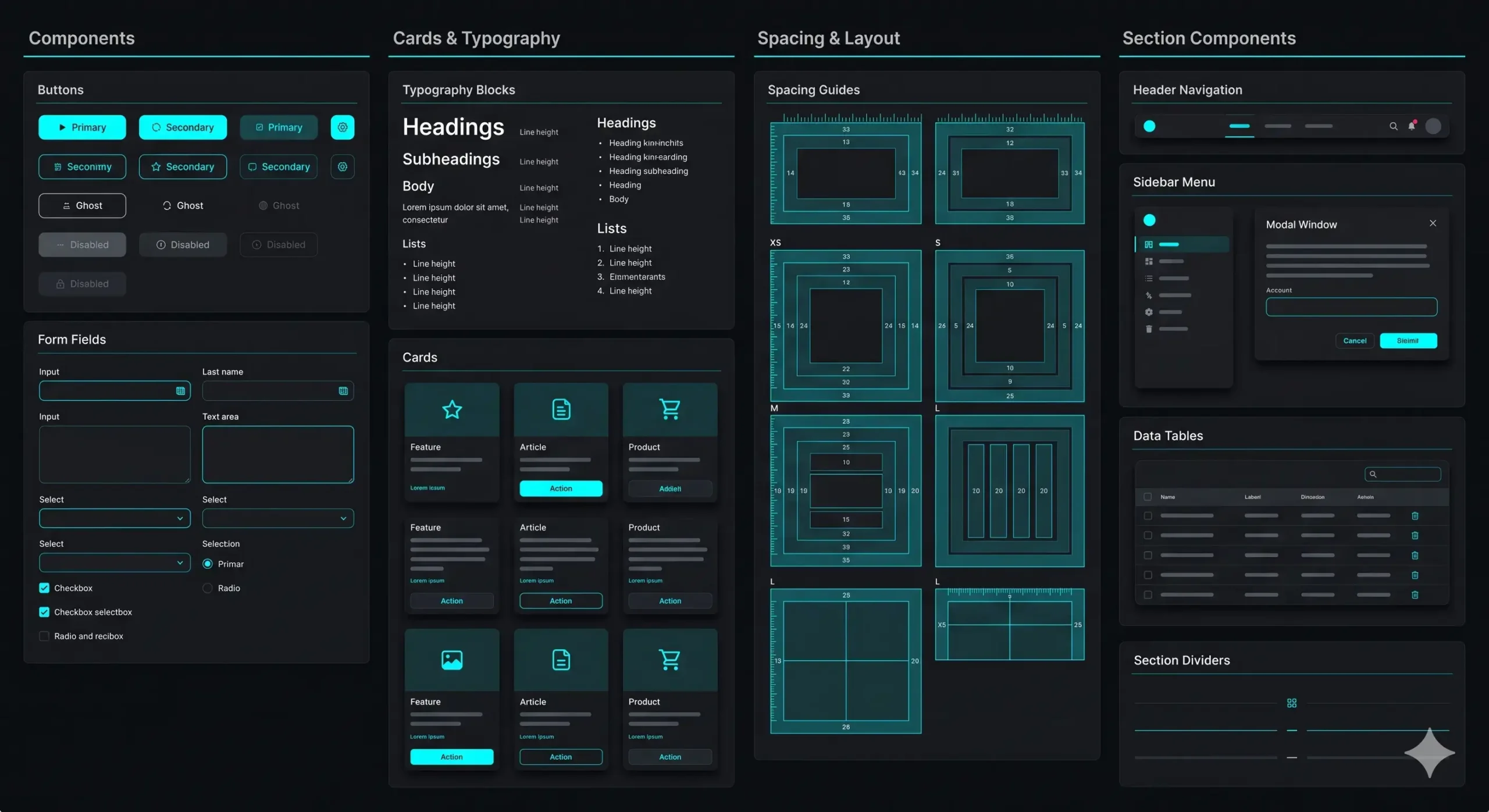
Do not begin by replacing every platform. Rank failures by customer impact, operational cost, frequency, and measurement value. A dependable form-to-owner connection may matter more than a broad technology migration. Test happy paths and failure paths, including invalid data, duplicate submissions, unavailable appointments, payment interruption, and notification failure.
Review security and data minimization at the same time. Each transfer should send only the information required for the next task, use an authenticated connection, and avoid exposing sensitive details in email notifications or browser URLs. Confirm who can access each record and how corrections or deletion requests move across connected platforms.
Resilience is equally important. Decide what happens when an API is unavailable, a webhook times out, or a record cannot be matched. Useful systems record the failure, prevent silent duplication, and provide a safe recovery route. A clear exception queue is often more valuable than pretending every transaction can be fully automatic.
Then document the owner, expected response, retry behaviour, and evidence of success. This makes the system maintainable when tools or staff change. It also turns conversion flow improvements into controlled operational changes rather than a collection of plugins. For broader planning, compare the role of website automation with the behavioural guidance in conversion psychology.
The goal is a connected operating path, not maximum automation. Resolve website integration problems by making each handoff observable, owned, and useful to the next decision. When several channels and platforms must work together, Digital Growth Infrastructure provides the relevant system-level destination for evaluating those connections.
Review the path from visitor action to team response before replacing tools or adding more automation.
Request a System ReviewSee Integration SolutionsArticle FAQ
It is a broken or unreliable handoff between the website and another part of the customer or business workflow, such as CRM capture, scheduling, payment, notification, follow-up, or reporting.
Trace one real customer action from arrival to final outcome. Record every system, data transfer, owner, confirmation, delay, failure state, and measurement point along that path.
No. Automate repeatable handoffs where the rule and owner are clear. Keep human judgment where qualification, exceptions, or sensitive decisions require context.
Common causes include different event definitions, duplicate records, lost source data, blocked tracking, failed transfers, and different rules for what counts as a lead or booking.
Usually not. Start with the smallest connection that removes a meaningful customer, operational, or measurement bottleneck, then verify the result before expanding the scope.