Necessary
Always activeSupports security, form reliability and remembering your privacy choice. It is not used for advertising.

Slow product pages, broken checkout steps and fragmented operations can make an existing store difficult to use. Start with evidence, prioritize safe fixes and validate what changed.
No made-up performance gains or guaranteed sales uplift. Findings and improvement priorities depend on access and measured evidence.
Illustration of approach · No live data, fabricated scores or before/after claims
The most visible symptom is not always the cause. Review the buying path and the systems that support it.
Inspect form validation, gateway errors, unexpected fees and mobile friction.
Investigate real loading behavior, Core Web Vitals, assets, caching and plugins.
Review taxonomy, product clarity, filters, variation choices and broken search paths.
Trace stock, orders, delivery rules or notifications when they cause manual repair work.
Evidence may come from consent-aware analytics, checkout tests, server logs or direct user-flow reviews—only where access and data permissions allow.
Record the specific failing behavior and available metrics. If instrumentation is missing, label uncertainty instead of manufacturing a baseline.
Separate blocking errors from cosmetic friction. Consider volume, severity, engineering effort and dependency risk.
Test affected journeys and compare like-for-like evidence where measurement is feasible. Rollout and rollback decisions stay explicit.
A diagnosis does not silently authorize production modifications. Implementation scope follows the prioritized findings.
Live commerce needs careful handling around active orders, sensitive data, provider access and rollback feasibility.
Describe symptoms, share representative cases and agree on safe diagnostic permissions.
Identify root causes or clearly labeled hypotheses and choose what matters most.
Apply scoped improvements with backup, staging or change-window controls as appropriate.
Retest checkout, orders, responsive paths and integrations before declaring changes complete.
Explore published delivery work as context. We do not infer measured improvements for your store.
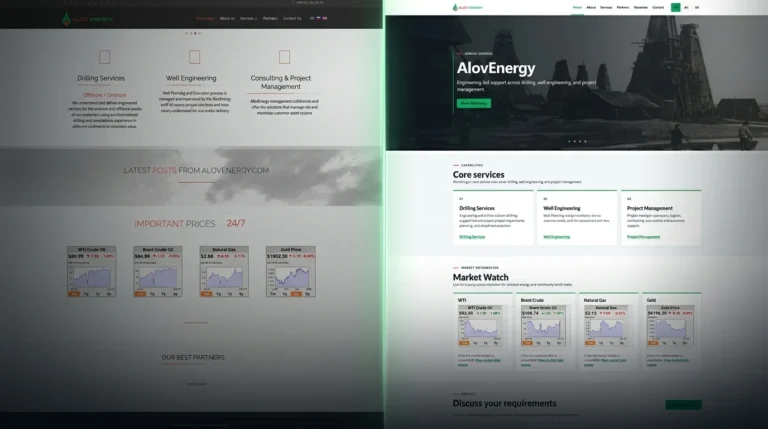
AlovEnergy's outdated Joomla website was rebuilt in WordPress with a lighter architecture, three language versions, clearer service pages, and markedly improved Lighthouse performance.
OutcomeA responsive, three-language WordPress website replaced the legacy Joomla build; the homepage achieved 100 Performance scores in subsequent mobile and desktop Lighthouse tests.
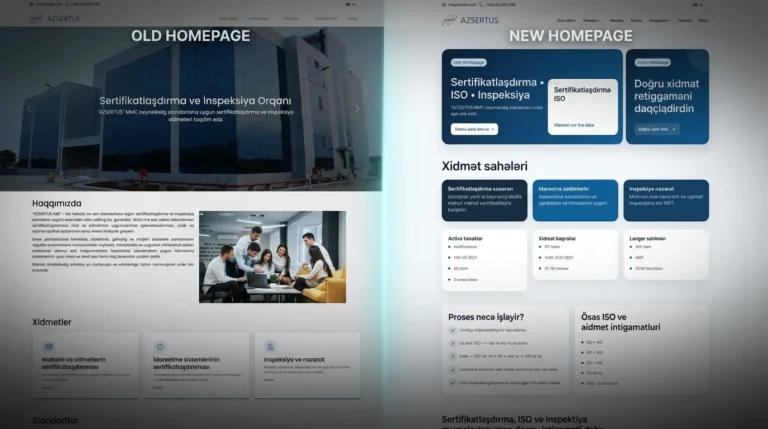
View Case StudyMono rebuilt Azsertus as a multilingual WordPress platform with stronger SEO, content publishing, analytics and inquiry infrastructure for sustained digital growth.
OutcomeRebuilt Azsertus as a multilingual WordPress growth platform with stronger inquiry journeys, content publishing, analytics readiness and improved performance.
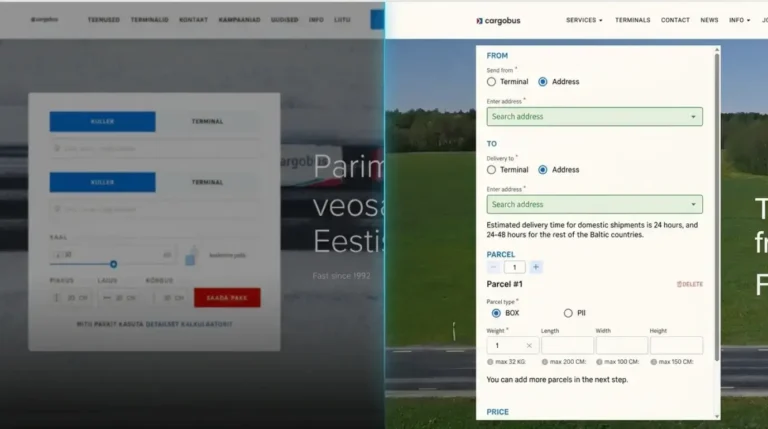
View Case StudyCargobus moved from CakePHP to an editable WordPress platform with City Carrier API integration for parcel creation, live tracking and shipment-status workflows.
OutcomeCargobus moved to an editable WordPress platform connected to live parcel creation and shipment-tracking workflows through the City Carrier API.
View Case StudyHelpful details
Practical answers before requesting a scope.
No responsible audit can guarantee a specific score or revenue outcome before the environment and baseline are known. We prioritize measurable, testable improvements.
Not necessarily. We begin with symptoms, available evidence and agreed access. Privileged or live changes require explicit approval and safe change procedures.
We can investigate platform configuration, custom code and relevant integrations within available permissions. Gateway-side incidents and account restrictions require coordination with the provider.
We explain the trade-offs and provide a separate proposal rather than quietly expanding a repair scope into a full replacement.
Start with what is failing
Share the affected URL, symptoms, platform and recent changes. We will propose a focused, safely scoped store review.
Scope and next steps are agreed before implementation.