Necessary
Always activeSupports security, form reliability and remembering your privacy choice. It is not used for advertising.

Mono rebuilt Bayil Breeze Hotel’s website into a WooCommerce-based booking system with room-specific reservations, structured checkout, payments and multilingual support.
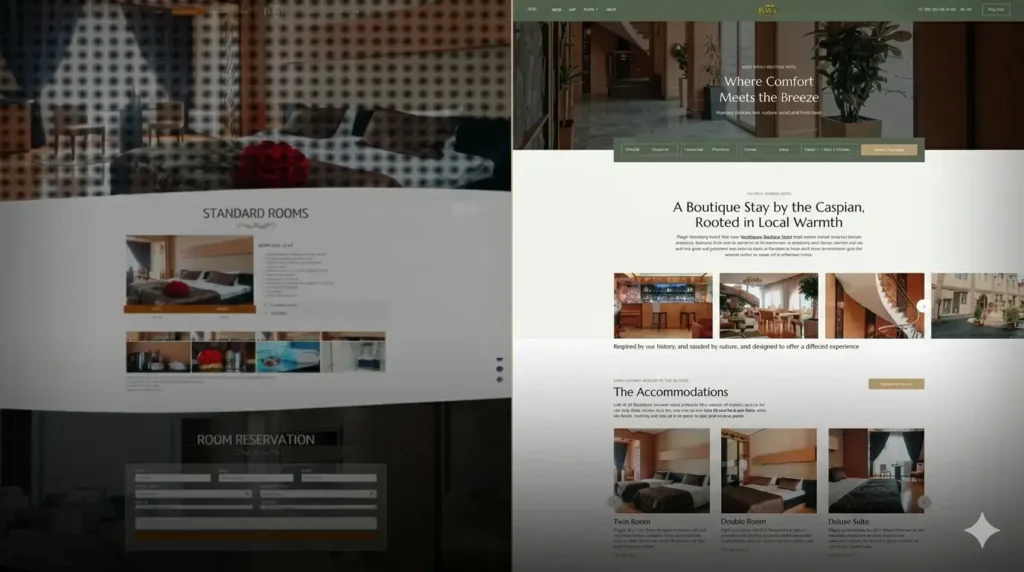
Bayil Breeze Hotel already had a website capable of presenting its rooms and property, but the customer journey stopped before a complete online reservation could take place. Visitors could browse accommodation, while the existing reservation process still depended on a basic form rather than room-specific booking logic, structured checkout and direct payment.
The requirement was therefore broader than a visual redesign. The website needed to connect room discovery, accommodation details, booking parameters and payment into one understandable reservation journey.
The original website presented the hotel visually, but its reservation functionality remained largely informational. A customer could explore rooms, yet there was no strong progression from choosing accommodation to completing a structured booking.
Room-specific reservation logic was missing, the booking experience did not provide a structured selection path, and payment was not integrated into the website. This created a gap between a guest becoming interested in a room and being able to act on that interest online.
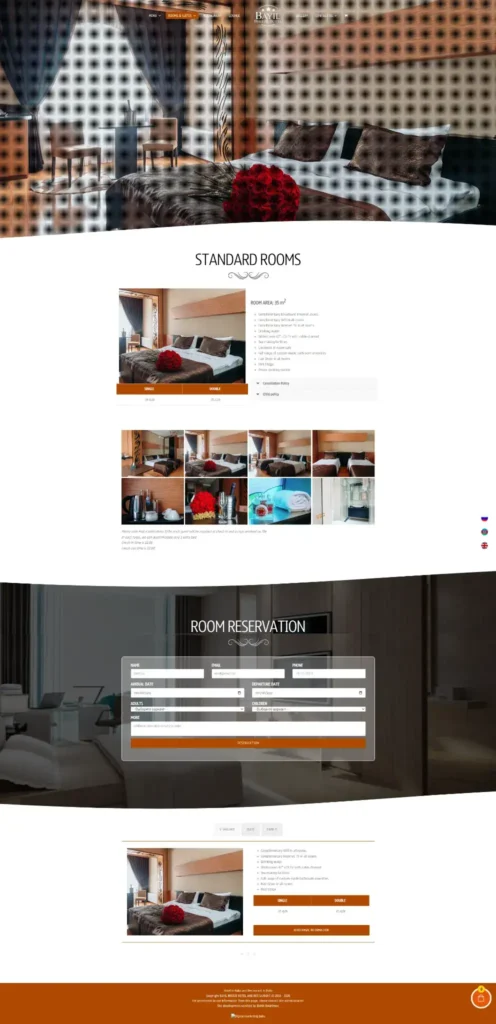
The website was rebuilt around a WooCommerce-based booking architecture rather than treating reservation functionality as an additional contact form. Individual rooms became part of a structured booking journey, with customers able to move from accommodation discovery into room-specific information, reservation parameters, checkout and payment.
The implementation also introduced a three-language experience so the booking journey could operate across the multilingual structure documented for the project. The result was a website architecture in which presentation and reservation functionality were part of the same customer path rather than separate experiences.
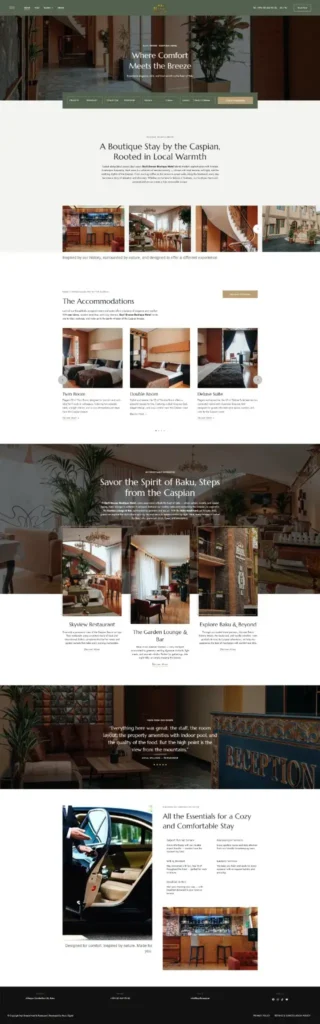
The rebuilt experience gave each stage of the reservation process a clearer purpose. Guests could first review the available accommodation types through a structured rooms presentation and then continue to an individual room page for more detailed information and amenities.
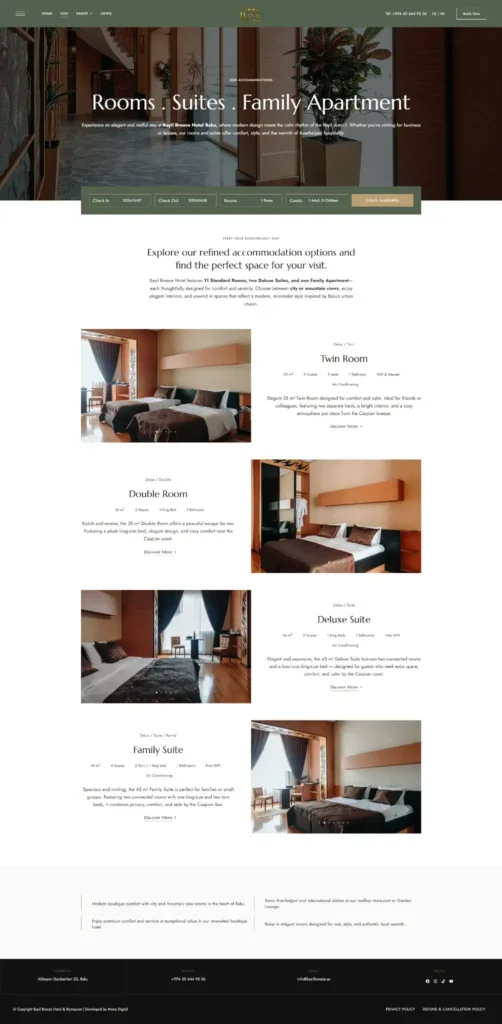
From the selected room, the reservation journey supported date and booking-parameter selection before progressing into checkout. Payment could then be completed directly through the website.
This structure replaced the previous jump from browsing to a generic submission with a more explicit progression:
Room discovery → individual room information → booking parameters → checkout → payment
The important change was not simply adding more content around the rooms. Each page now had a defined role in moving the guest toward a reservation.
WooCommerce provided the foundation for the documented booking and checkout architecture. Mono structured the implementation around individual accommodation options rather than using a single generic reservation form for the entire hotel.
Individual room pages combined the information required for a booking decision with the reservation interface. Room details and amenities could therefore sit alongside the controls required to continue into the booking process.
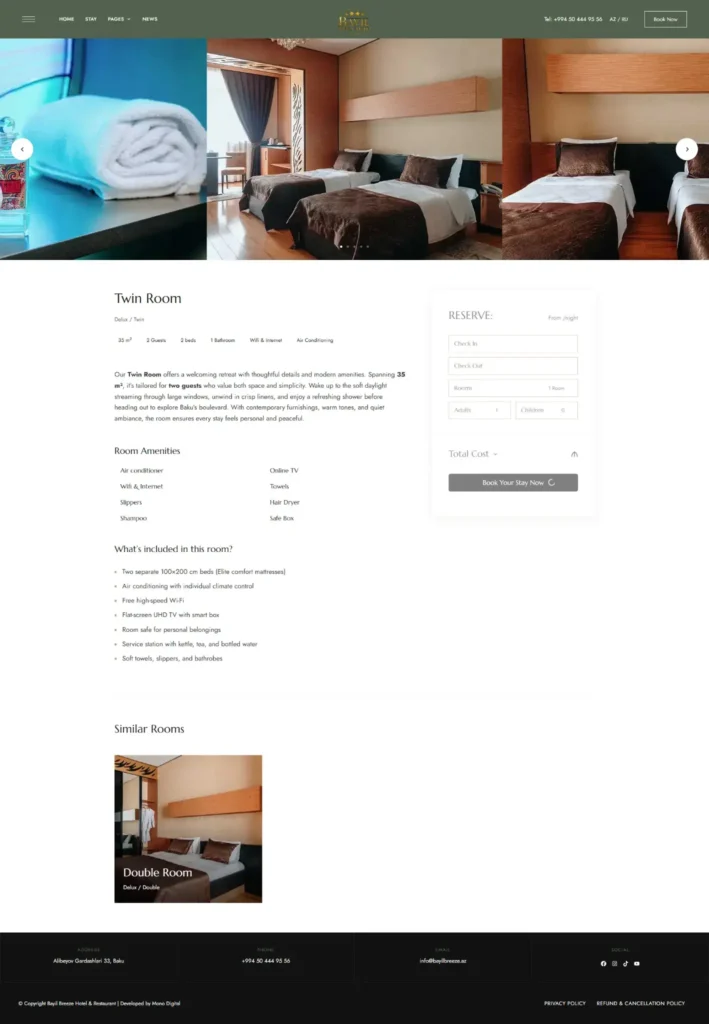
The same booking structure was carried through the multilingual experience, with the source documenting support for three languages. Integrated website payment completed the customer-facing flow from accommodation selection through checkout.
The project changed Bayil Breeze from a hotel website that mainly displayed accommodation into one that could support the reservation process directly. Guests gained a clearer path from exploring rooms to reviewing individual accommodation, selecting booking parameters, proceeding through checkout and making an online payment.
The defensible outcome is therefore structural rather than a claimed increase in booking volume: the rebuilt website established a coherent on-site booking journey and connected room presentation with the actions required to complete a reservation.