Necessary
Always activeSupports security, form reliability and remembering your privacy choice. It is not used for advertising.

Connect briefs, structured drafting, SEO checks and localization into an editorial workflow your team can approve. Design the handoffs first; automation supports people rather than publishing unchecked output.
Every proposed integration is subject to access and feasibility. Draft-first and human approval are project design requirements, not claims about a live deployed automation.
Concept architecture only · No automatic publish, traffic claim or live job count
Best suited to WordPress-led marketing teams, multi-language publishers and businesses with repeatable, reviewable editorial demand.
Input standards, editorial calendar handoffs, draft structure and assigned author/editor checkpoints.
Documented title/meta checks, linking rules, factual review and content duplication safeguards before approval.
Translation-ready drafts, language-specific terminology, internal-link checks and local reviewer responsibilities.
Generative output can contain unsupported facts, awkward localization and inaccurate claims. The workflow should make these risks visible to an accountable editor, not conceal them behind a dashboard.
The pilot defines the content types, acceptable sources, required reviewer, publication permission and what happens when validation fails.
Which claims are permitted, where factual references come from and when the draft must pause for clarification.
A person validates accuracy, copyright sensitivity, brand tone and legal/compliance-sensitive content.
Automation prepares reviewable artifacts; publishing is a separately authorized human action.
A scoped pilot confirms CMS permissions, localization tools, data quality and reviewer capacity before implementation.
Validate one repeatable publishing lane before expanding to multiple sites, languages or categories.
Confirm audience, source content, team permissions and approval owners.
Agree brief schema and create sample reviewable outputs.
Check missing sources, duplicates, translations and rejected drafts.
Document controls, assess pilot evidence and authorize any rollout separately.
Only existing, published Mono projects are shown here; a pilot is not represented as a deployment result.
Mono built a Hermes-powered SEO content engine that turns structured editorial plans into daily WordPress drafts, supporting visuals, and renewable publishing queues.
OutcomeEstablished a repeatable daily SEO content workflow connecting editorial planning, AI-generated articles and visuals, WordPress drafts, and content-cycle renewal.
View Case StudyMono built an AI-assisted WordPress workflow that prepares localized, SEO-validated drafts across five languages through on-demand and twice-daily scheduled automation.
OutcomeEstablished on-demand and twice-daily automated workflows for preparing validated WordPress drafts in five target languages, with editorial review retained.
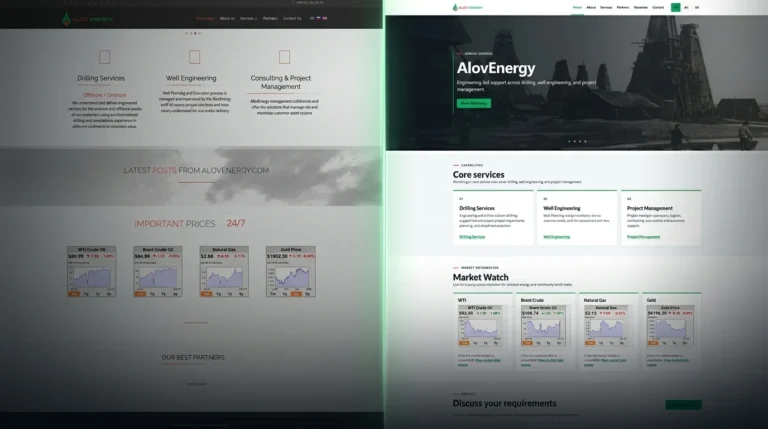
View Case StudyAlovEnergy's outdated Joomla website was rebuilt in WordPress with a lighter architecture, three language versions, clearer service pages, and markedly improved Lighthouse performance.
OutcomeA responsive, three-language WordPress website replaced the legacy Joomla build; the homepage achieved 100 Performance scores in subsequent mobile and desktop Lighthouse tests.
View Case StudyHelpful details
Practical answers before requesting a scope.
The starting design is draft-first. Human approval is required for public release; any publishing automation requires its own agreed permissions and controls.
A multilingual workflow can be assessed when the target languages, editorial reviewers, CMS translation relationships and QA rules are confirmed. It does not guarantee automatic translation accuracy.
No. A development-stage or offline candidate must not be described as a live production service. Any production integration requires a separate feasibility review and deployment gate.
We scope editorial inputs and validation checkpoints. Original research, subject-matter review and full content strategy are included only when explicitly agreed.
Content systems / Scoped pilot
Share your CMS, content types, publication cadence, languages and current editorial approval path. We can map a realistic draft-first pilot.
Scope and next steps are agreed before implementation.